
Meet Our Community
All in a Day’s Work: Bourne for Recon
13 May 2026
Home Team
ICA
Shrouded in secrecy, the Intelligence Operations Branch is the backbone of ICA’s enforcement operations. Discover what it means to be an ICA intelligence officer in this exclusive interview.
Written by Aw Si Yu
PHOTO: ICA. GRAPHIC: Aw Si Yu
Ever wonder how the Immigration & Checkpoints Authority (opens in new tab) (ICA) monitors and combats immigration offences within Singapore’s borders? The Intelligence Operations Branch – a name which conjures up an air of 007-like mystique – oversees the planning of field operations targeting organised syndicates, human smugglers, abetters, employers and harbourers of immigration offenders, illegal immigrants, overstayers and people who abuse their immigration passes.
ASP Mitchell Tan, one of the Officers-in-Charge (OC) from the branch, plans such operations and leads his team in the systematic collection of intelligence through various information collection methods.
He also coordinates his team’s participation in joint operations with other law enforcement agencies – including Singapore Police Force (opens in new tab), Central Narcotics Bureau (opens in new tab), Ministry of Manpower and the Health Sciences Authority. These joint missions form a cohesive and effective response to cross-border and immigration-related threats.
Home Team News interviewed ASP Mitchell Tan about finding fulfilment amid the unpredictability and rigour of his work in ICA’s Intelligence Operations Branch.

ICA officers arrest an immigration offender under a flyover in the vicinity of Marine Parade. PHOTO: ICA
What does your workday look like?
ASP Tan: While conducting enforcement operations may seem like the most visible aspects of our work, most of our efforts occur behind the scenes.
Our preparatory phase includes performing screening, conducting observation, and carrying out reconnaissance to develop a clear and accurate intelligence picture before any action is taken. Such groundwork is critical to ensure operations are precisely targeted, safe and effective.
During the execution phase, which may happen during the wee hours of the morning or late in the day, I would lead my team to conduct enforcement checks. No two operations are identical; some are swift and decisive, while others require a patient cat-and-mouse approach. It is vital for officers to stay vigilant, adhere strictly to procedures and handle all situations professionally.
Why did you choose to become an intelligence officer?
ASP Tan: What drew me to this role was the combination of analytical work and tangible operational impact—being able to piece together information, uncover patterns and support decisions that directly shape enforcement decisions. It is a meaningful way to serve and contribute to Singapore’s safety and security.
I enjoy working with details and thinking critically about complex situations. I’m motivated by the idea of translating analysis into real-world outcomes, while remaining disciplined and professional under pressure. I believe my attention to detail and critical thinking make me well-suited for this role. At the same time, I value teamwork and adaptability, which are important during operations.

ICA intelligence officer interview occupants to identify the person harbouring immigration offenders. PHOTO: ICA
Do you find your career in intelligence operations fulfilling? What gives you meaning and purpose in the job?
ASP Tan: I find purpose in having the opportunity to be directly involved in safeguarding Singapore through wellexecuted enforcement actions, which are far more than routine tasks—they are targeted efforts to detect and disrupt immigration offences, illegal activities and potential security threats. I find meaning in being part of a team that carries out these operations with precision and discipline, knowing that every check can prevent larger security issues. Seeing my officers going above and beyond their duties also inspires me to do better.
Being able to see how our efforts translate into real-world outcomes makes the work tangible and meaningful. Overall, the synergy of teamwork, our sense of responsibility, and the direct positive impact on Singapore’s safety give this role strong personal purpose and drives me to excel.
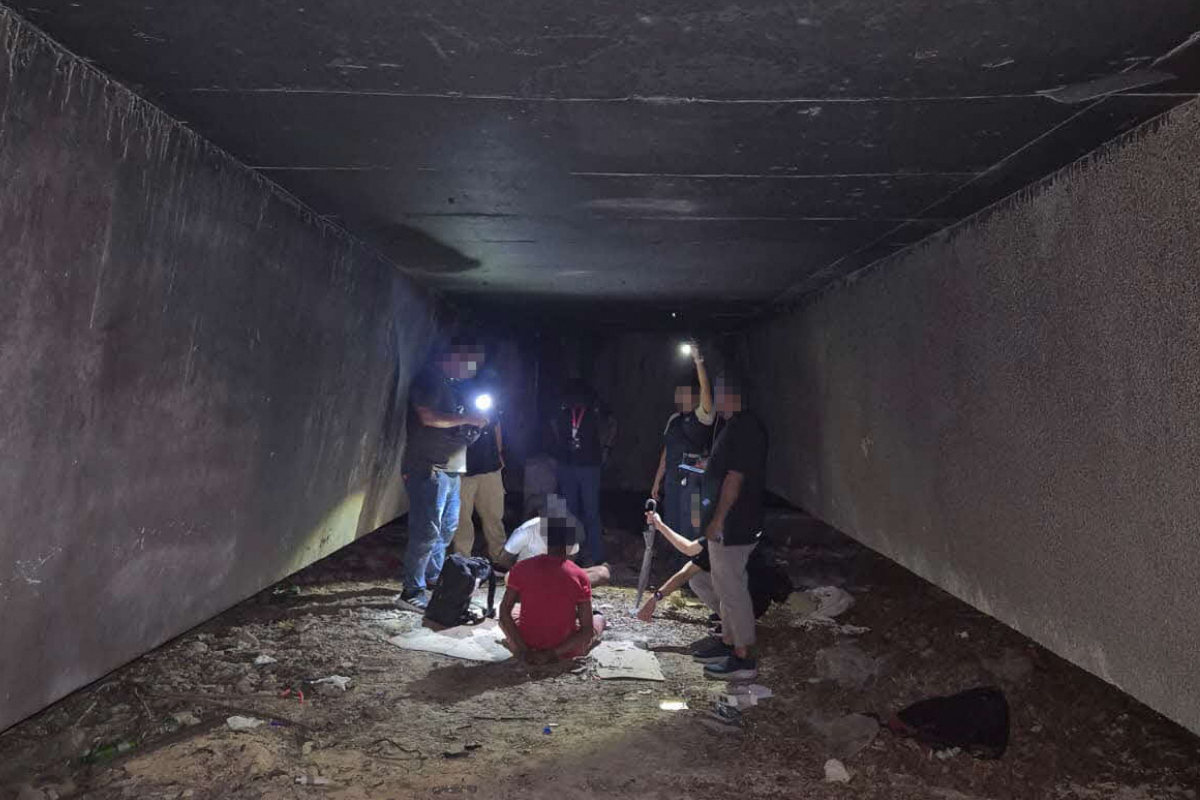
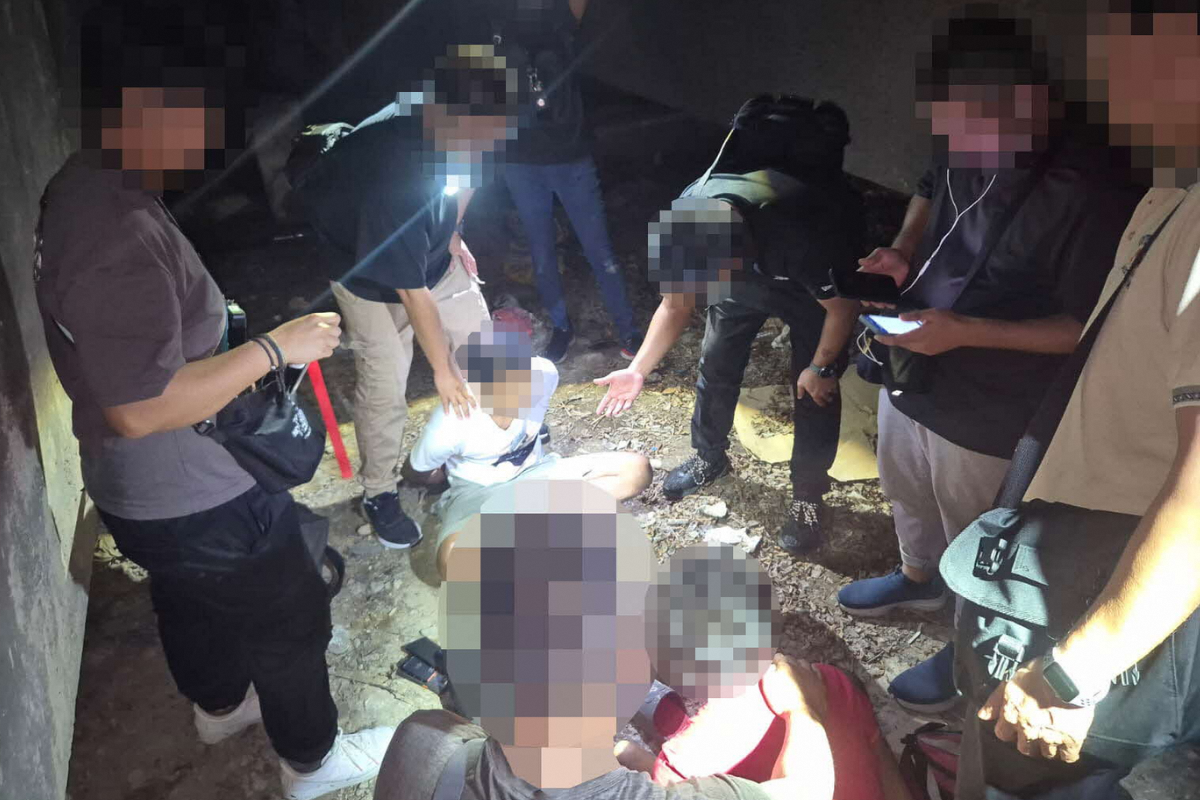
Two Bangladeshi abscondees were arrested and found in possession of white crystalline substance and illegal paraphernalia. PHOTOS: ICA
What are two risks or challenges you face as part of these operations and how do you cope with them?
ASP Tan: One key challenge in field operations is unpredictability. During checks, circumstances can shift quickly—individuals may become uncooperative or attempt to evade us. To cope with this, I rely on staying calm and maintaining clear communication with my team. Proper preparation to minimise unknown variables and two-way communication between myself, my supervisor and the operational team allows us to identify and cover each other’s blind spots.
Another challenge is the physical and mental rigour inherent to the job. Operations can be lengthy, high-pressure and demand constant alertness. To manage this, I focus on maintaining good physical fitness and mental resilience, and making sure I stay disciplined in rest and recovery. It’s also important to support teammates and look out for one another, as strong cohesion enhances the team’s performance under stress.
Overall, I believe that effective risk management in this role comes down to preparation, discipline, and cohesive teamwork rather than purely reactive decision making.
Please describe an especially memorable operation.
ASP Tan: A memorable case that I had participated in was the arrest of six Sri Lankan immigration offenders at a HDB unit.
We had received information on a Sri Lankan who had overstayed on his Social Visit Pass. Extensive screenings and observations were performed to ascertain where he stayed. Each time we seemed to be closing in, he relocated to a new location to evade detection.
Eventually, his whereabouts were ascertained, and an operation was planned to apprehend him. During the operation, 18 subjects were found residing and cramped in a three-room unit and five other overstayers were also detected. Prior observations had not indicated that so many individuals were occupying the unit. This operation highlighted that situations on the ground can evolve rapidly and differ significantly from initial assessments. The OCs need to adapt and improvise their approaches to manage the dynamic situation while ensuring the safety of officers and subjects.
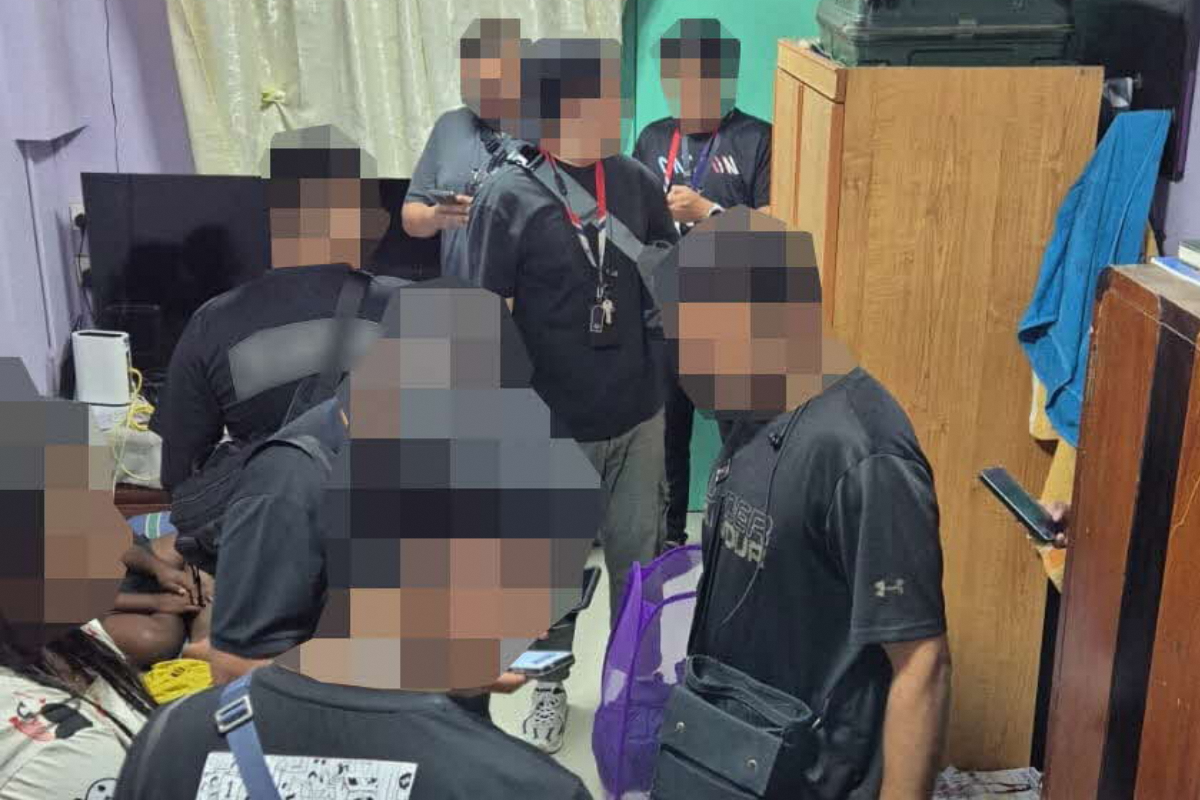
Enforcement checks conducted at a HDB unit led to the arrest of six Sri Lankan immigration offenders. PHOTO: ICA
This case was memorable as it was protracted and took us considerable effort to trace the subject. Our officers’ dedication and commitment made it possible.
Have social media and AI changed the way intelligence work is conducted? How?
ASP Tan: The rise of social media and AI has fundamentally reshaped the way intelligence gathering is conducted. Movement patterns, connections between individuals and even potential red flags can sometimes be detected and mapped through data on social media. We can gather insights more quickly and support operations more effectively.
At the same time, AI tools have improved the ability to process large volumes of data. Tasks that used to take much longer, such as identifying patterns or anomalies can now be done more efficiently, allowing officers to concentrate on making judgments and executing enforcement actions.
While these tools are valuable, I believe officers should not lose sight of the core principles of intelligence work. Technology can provide leads, but we must remain anchored in sound judgement, critical thinking and ground verification – because these ultimately determine whether our work is accurate, actionable and responsibly used.