
Meet Our Community
All in a day’s work: Where leaders take root
19 October 2026
Home Team
HTA
MHA
Behind every leader is someone who helps shape their growth through work ranging from curriculum design to stakeholder engagement. Read on to discover how Shawn Tan brings these efforts together, and stay to the end for a bonus content creation tip.
Written by Claire Tan and Justine Ong
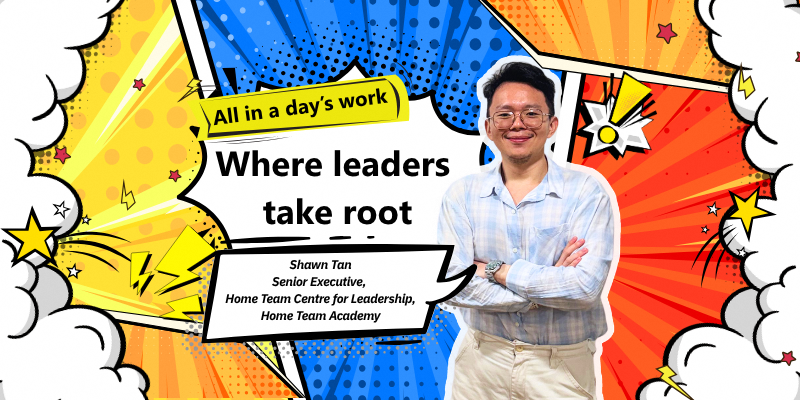
PHOTO: Home Team Academy. GRAPHIC: Claire Tan
Good leaders do not simply bloom in a moment of crisis – they are carefully cultivated and nurtured long before that moment arrives. Good gardeners know that what happens beneath the soil matters as much as what flourishes above it. Shawn Tan, a senior executive at Home Team Centre for Leadership (HTCL), understands this better than most, with his hands in the soil.
Established in 2016 under the Home Team Academy (opens in new tab) (HTA), HTCL plays a key role in developing leaders across the Home Team. Through the design of meaningful leadership curricula, the centre nurtures the capabilities, values and mindsets that enable Home Team leaders to lead with confidence and purpose.
Home Team News interviewed Shawn to find out what it really takes to build leaders from the inside out.
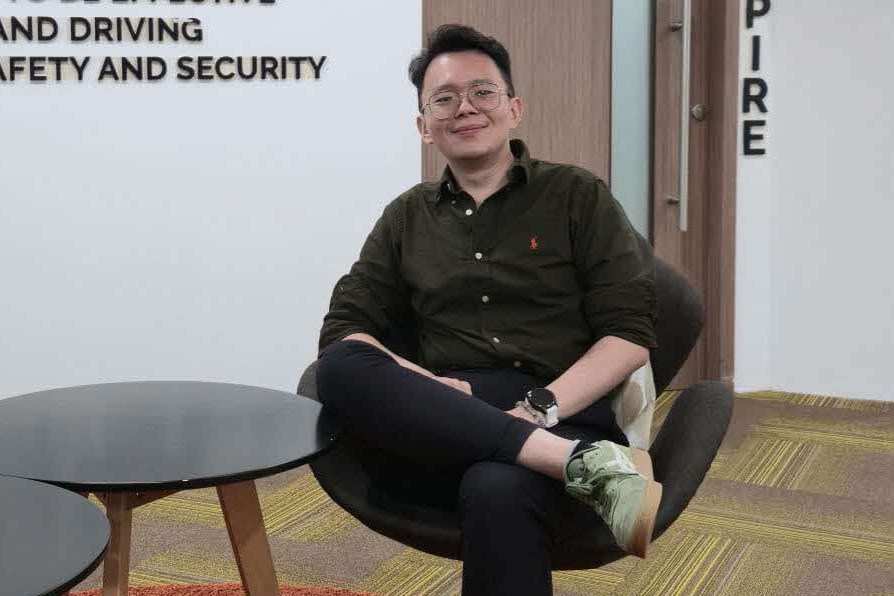
Shawn designs leadership programmes that are relevant, meaningful and aligned with the needs of the Home Team. PHOTO: HTA
1. When you first joined the centre, what made you realise why developing Home Team leaders matters?
Shawn: I quickly realised that leadership development is not just about building knowledge or technical skills. It is about helping people grow into roles where they can make sound decisions, guide others through uncertainty and bring out the best in their teams.
One moment that stayed with me was seeing how even a small shift in perspective during a programme could change how an officer thought about leading others. Such moments often arise during fireside chats and other parts of our milestone programmes, when officers can reflect openly and share how their perspectives have changed. It reminded me that when we invest in leaders, we are not just developing individuals but also strengthening the broader Home Team ecosystem.
2. You work across multiple Home Team agencies — how do those relationships shape the programmes you build, and what would be lost without them?
Shawn: Collaboration is a big part of what we do. We work closely with Home Team agencies to understand their priorities, realities and the leadership challenges they face. This allows us to design programmes that are not developed in isolation but are shaped by real operational needs.
Through these partnerships, we also learn from different agencies and bring together diverse perspectives. I believe this leads to better outcomes because the programmes become more relevant, more practical and more likely to have an impact across the Home Team. In many ways, the work is strongest when it reflects the collective wisdom of the ecosystem.
An example was when I worked with nine Ministries and Home Team agencies to develop crisis communications content for the “Leaders in Crisis Governance Programme”. The programme aims to provide senior leaders across government agencies with skills, tools and networks to manage national level crisis situations.
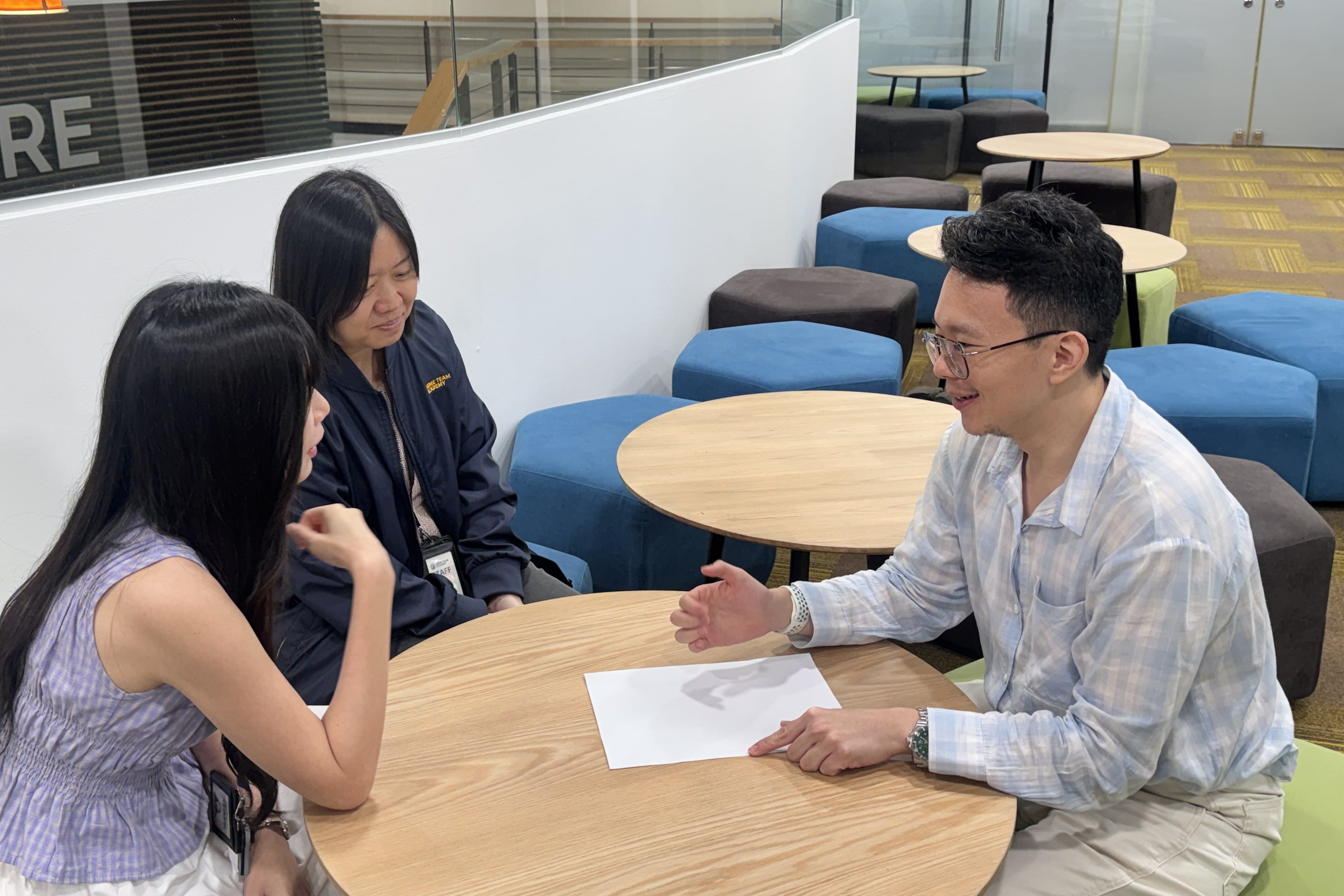
A sense of shared purpose is also created through constant discussions with stakeholders, which Shawn described as "very fulfilling". PHOTO: HTA
3. The centre places a strong emphasis on data-driven insights. How do you balance the analytical rigour of data with the human stories that lie behind the numbers when shaping leadership curricula?
Shawn: I see data and human stories as complementary rather than separate. Data helps us identify patterns, spot gaps and understand where learning needs may be emerging, while human stories help us understand the context behind those patterns.
For me, good curriculum design starts with asking both questions: What does the data tell us, and what are officers experiencing on the ground? When we bring both together, we can design leadership programmes that are evidence-based but still grounded in real human experiences. That balance is important because leadership is ultimately about people, not just metrics.
4. What challenges do you face in your job that others may not be aware of? How do you cope with them?
Shawn: One challenge that may not always be visible is the amount of thought and coordination that goes into designing meaningful leadership learning. There is often a need to balance multiple priorities, various stakeholders’ expectations, limited time and the need to ensure that the content is both relevant and practical.
Another challenge is that leadership development is not always immediately measurable, so its impact can take time to emerge. I cope with this by staying grounded in the purpose of the work, keeping close to stakeholders and being open to feedback and refinement. It also helps to remember that even if the impact is not always instantly visible, the work still matters.
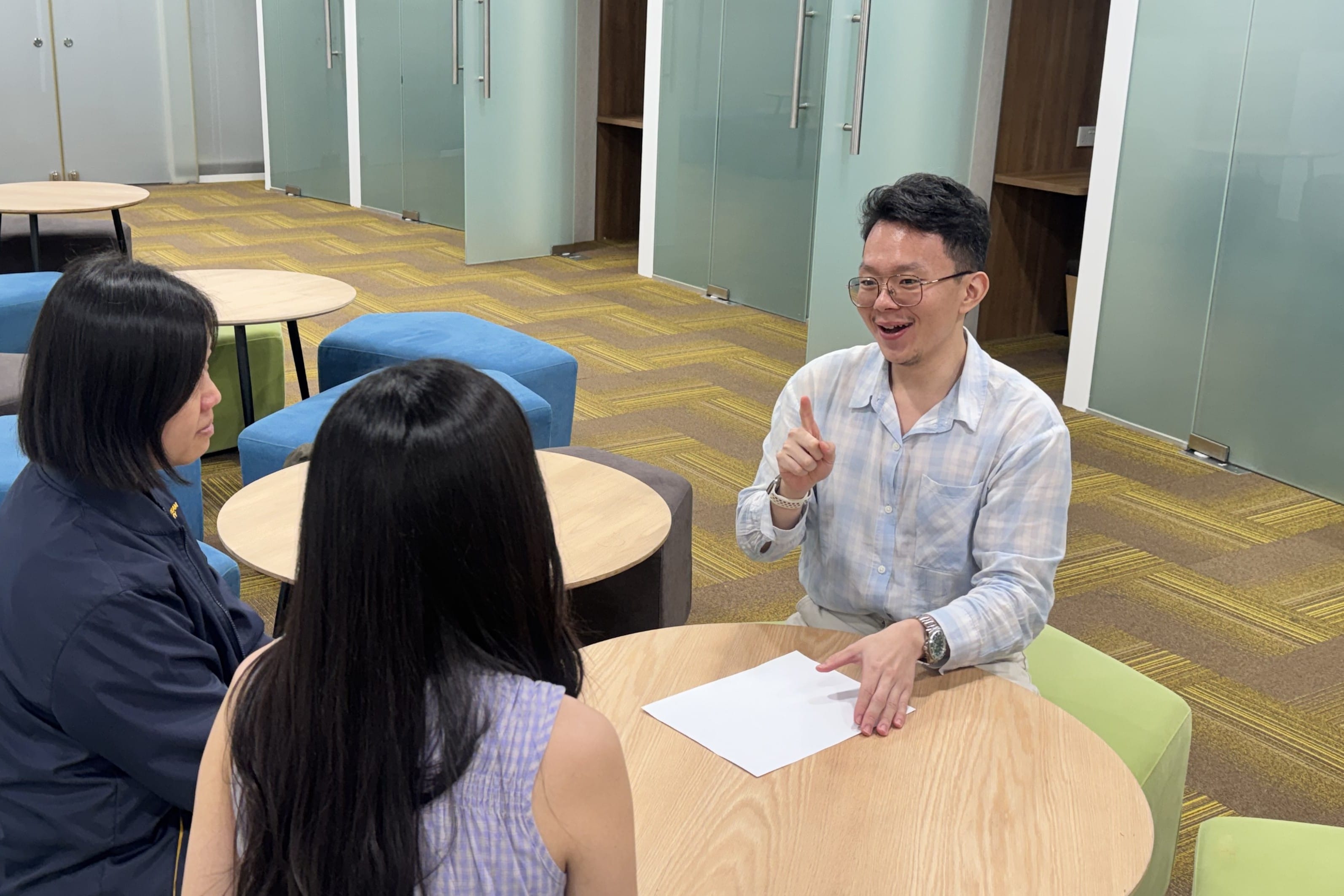
Hearing feedback that the leadership programmes sparked reflection and action reminded Shawn that HTCL's work has a real and lasting effect. PHOTO: HTA
5. If you could imprint one core value onto every future Home Team leader you help develop, what would it be, and why does that value sit at the heart of your own leadership philosophy?
Shawn: It would be humility. I think humility is at the heart of strong leadership because it allows leaders to listen, learn and lead with empathy. It reminds us that we do not have all the answers and that some of the best ideas come from engaging with others openly and respectfully.
For me, humility is also closely linked to growth. A humble leader is more willing to reflect, improve and adapt, and that makes them more effective in the long run. In the complex operating environment in which the Home Team works, that kind of leadership is especially important.
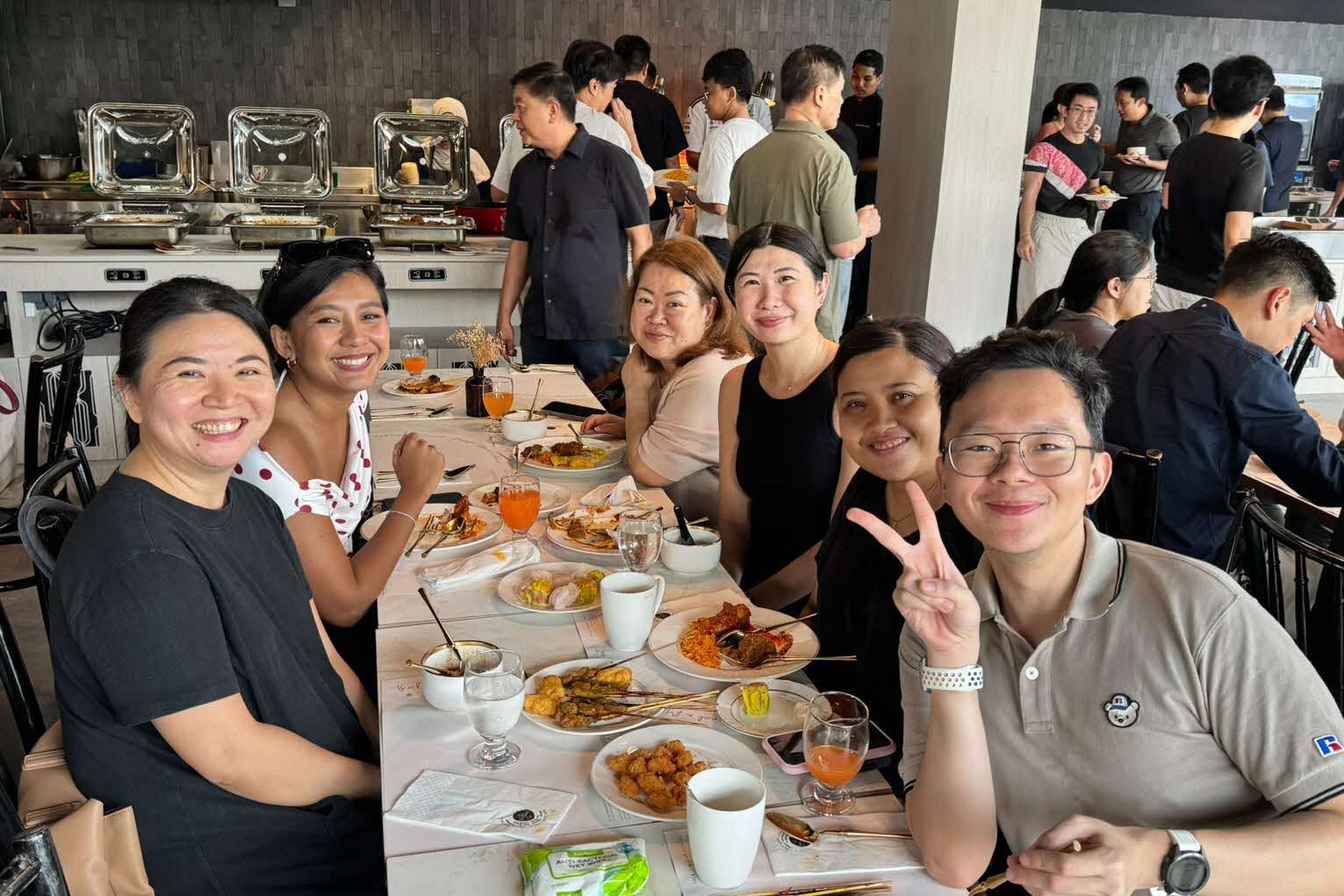
Shawn (right) and his HTCL teammates strive to design leadership programmes that enable Home Team leaders to lead with confidence and purpose. PHOTO: HTA
[BONUS] We heard you do content creation well. Please share some tips with our readers.
My journey with content creation started purely from personal interest. I was drawn to how well-crafted content — whether video, visual or text — could communicate meaningful messages and connect with people in ways traditional formats sometimes cannot.
I did not have formal training in content production. Most of what I learnt came from trial and error, experimenting with formats, and figuring out what resonates with an audience. Over time, I became more comfortable with the process and developed a better sense of storytelling, pacing and visual communication.
These skills have been surprisingly useful in my work at HTA, whether it is for communicating ideas about our work, supporting HTA’s outreach efforts, or just making programme content more relatable.
For anyone thinking about getting started with content creation, my tip is simple. Be curious and start with what you have, because you do not need professional training or expensive equipment. The biggest barrier is overthinking it, so just start — your first few pieces will not be perfect, and that's completely fine. Every piece you create teaches you something new, so treat each one as a chance to improve.