
Meet Our Community
Explain like I’m five | How does the FATF mutual evaluation affect your daily life?
26 October 2026
Home Team
CNB
GRA
ICA
MHA
SPF
A Home Team officer breaks down Singapore’s Financial Action Task Force (FATF) mutual evaluation result and why it matters to every Singaporean, right down to your online shopping.
Written by Tang Ying Hui
PHOTO and GRAPHIC: Tang Ying Hui
Someone please explain to this writer like she’s five!
Ever nodded along during class while having absolutely no idea what was being discussed?
We get you.
When this writer was tasked to cover Singapore's latest Financial Action Task Force (FATF) mutual evaluation result, yours truly was quietly Googling "what is FATF" under the table during the discussion.
So, we sat down with the “team captain” - the man who co-led the team that prepared Singapore for the evaluation. Meet Gregory Foo, Director, Policy Development Division, Ministry of Home Affairs (MHA)!

Serving for 17 years in the Home Team, Gregory works on plans and policies related to MHA. PHOTO: Tang Ying Hui
Gregory had been quietly holding it all together – coordinating with ministries, law enforcement agencies, regulators and industry partners while serving as the primary liaison with the FATF, Asia/Pacific Group on Money Laundering and Assessment Team. This earned him the Minister for Home Affairs National Day Award (Team). We asked him to explain it like we were five.
Sit tight. Class is now in session.
Wait, who is the FATF?
“They are the international body or organisation that sets the rules in place, so that the money being used in different financial systems is clean money,” Gregory explains. "And not only that the money is clean, but that it's not used for criminal purposes, like financing terrorism."
In other words, FATF sets international standards to help countries keep their financial systems free from illicit funds and prevent money from being used to finance crime and terrorism.
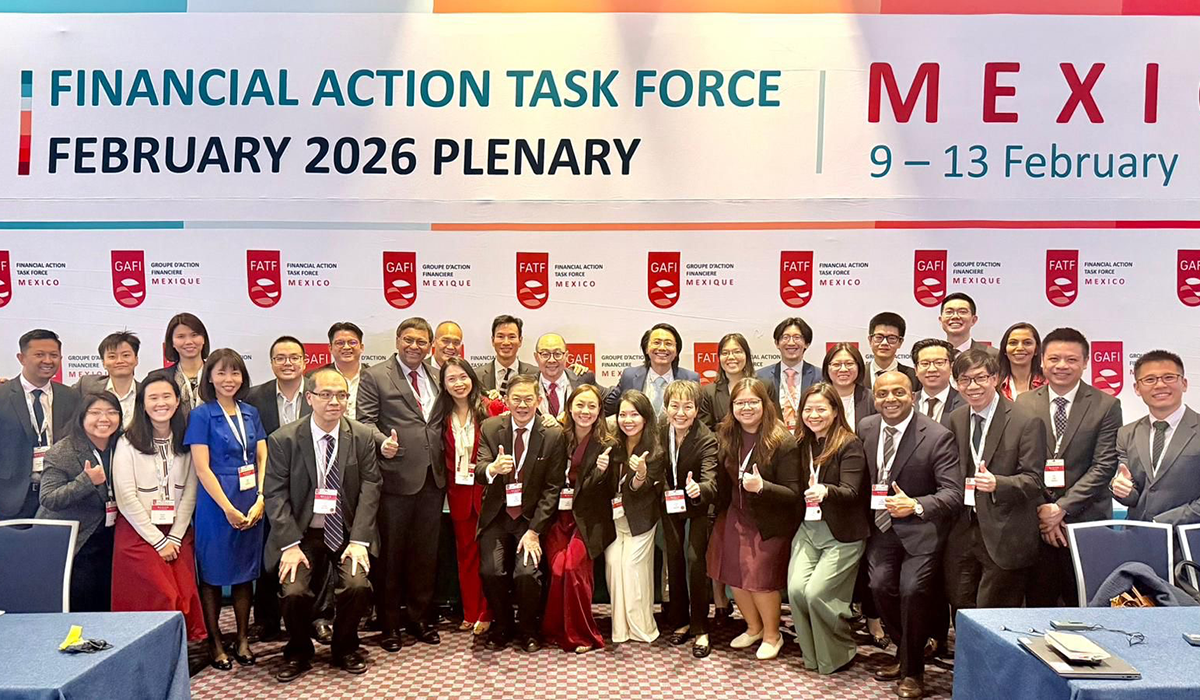
Over 25 government agencies and private sector partners came together for Singapore's FATF evaluation, each playing their part in keeping Singapore's financial system clean. PHOTO: Gregory Foo
So how does Singapore get evaluated? Let us use a ‘school project’ analogy.
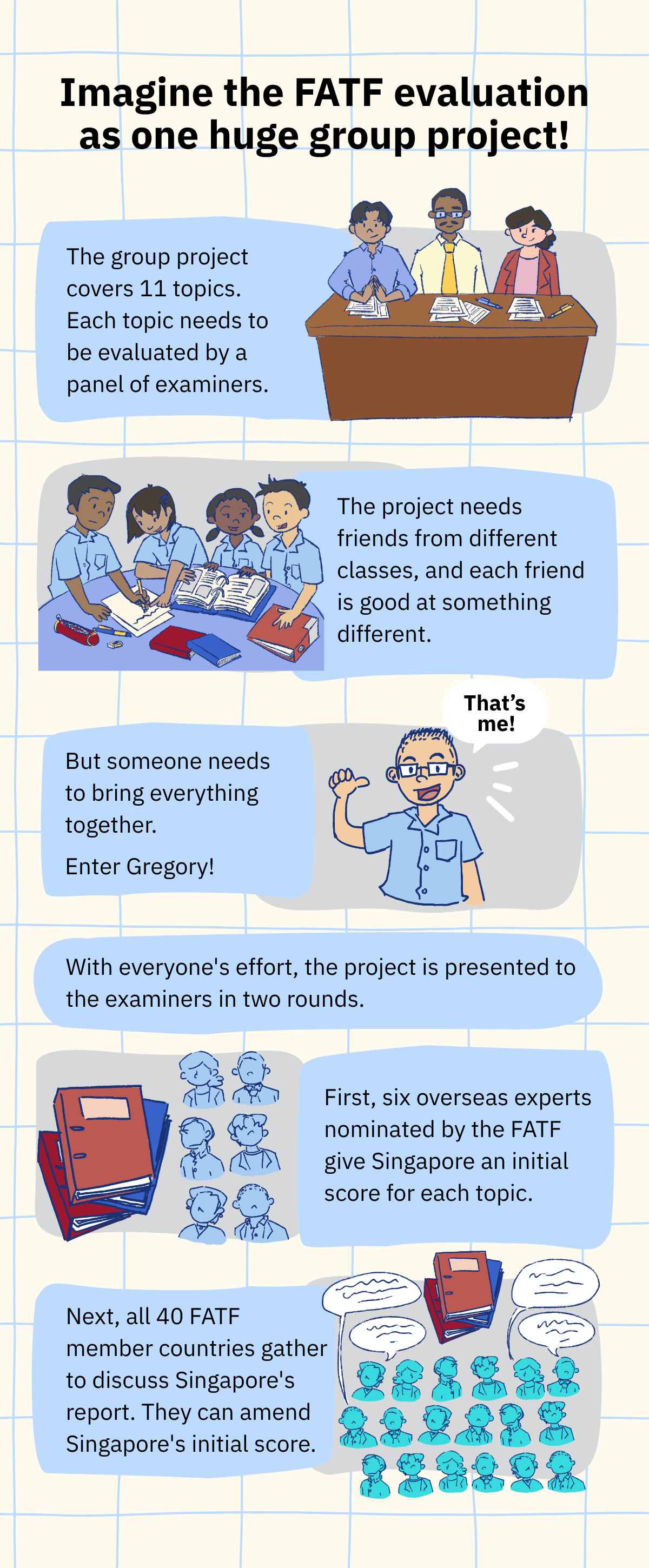
Every agency brings its own expertise to the table — just like how classmates handle different parts of the project. GRAPHICS: Tang Ying Hui
Think of it as a report card. At the end of the evaluation, Singapore is assessed on how well it followed FATF's rules. “About every six years, we go through this assessment,” Gregory explains.
And this year’s evaluation? Singapore returned with a better grade. “The stakes were high. We were the first to achieve four improved ratings, or “upgrades”, for the evaluation,” says Gregory. Singapore didn't just meet expectations — it exceeded them.
Why is the result important for Singapore (and me?)
So, what does this good grade mean for you?
A strong FATF result does more than just indicate that Singapore's financial system is clean. It protects your wallet and keeps financial transactions convenient too.
Take the $3 billion money-laundering case as an example. In that case, it is likely that the various properties, such as the several condominium units at Canninghill Piers, were sold above market value, thereby artificially inflating property values. In fact, an NUS study (opens in new tab), using data from the Panama Papers, has shown that in areas where dirty money flows, property prices can be three to four per cent higher than they should be.
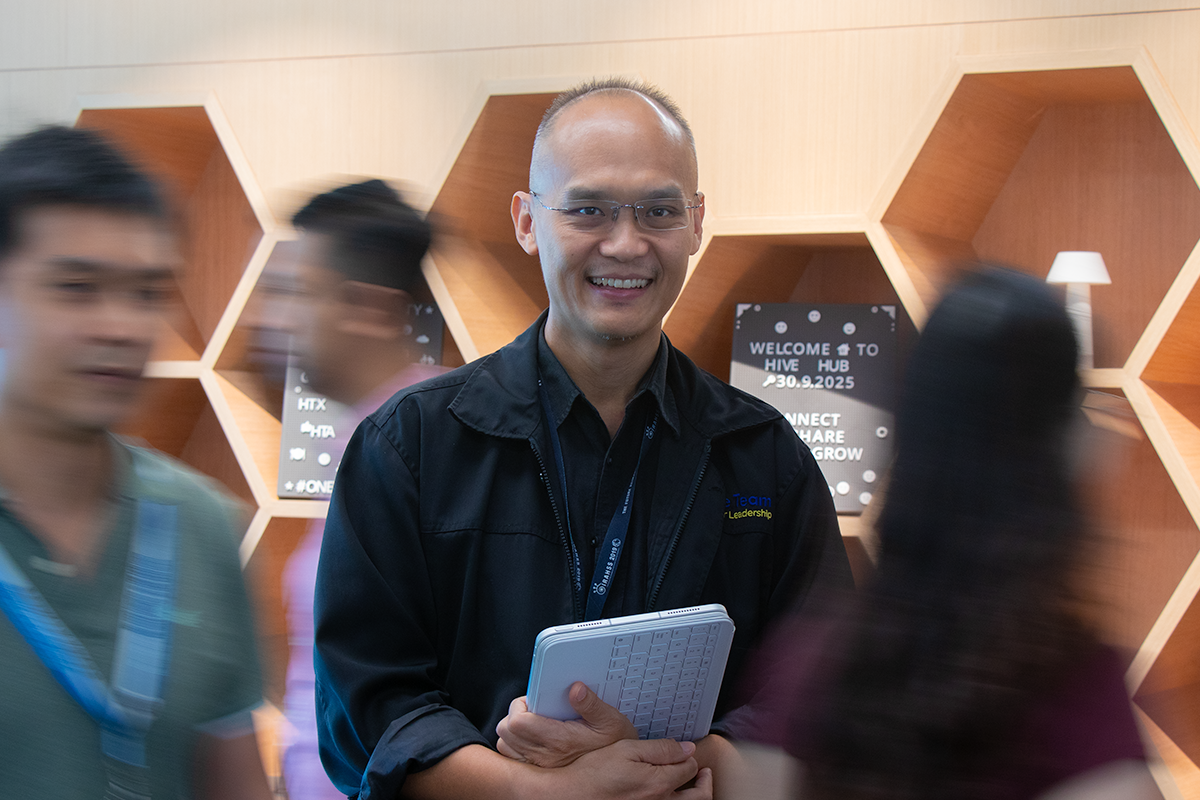
From property prices to online shopping, dirty money affects more of Singaporeans' daily lives than you'd think, says Gregory. PHOTO: Tang Ying Hui
And the online shopping we mentioned? Gregory explains that when dirty money permeates the financial system, trust in the system is eroded. “It will be more difficult to find financial services and less convenient for you to transact online."
Cross-border money transfers are also affected. These transactions rely on international inter-bank transfer networks, where a trust in a country’s financial system matters.. Banks and other financial institutions are also less likely to lend money to countries with a poor FATF rating, or they may do more checks before doing so. The cost of borrowing goes up, interest rates are higher and things become more expensive. A weaker FATF evaluation result therefore means higher transaction costs for everyone, further discouraging online commerce and potentially increasing the price of everyday goods.
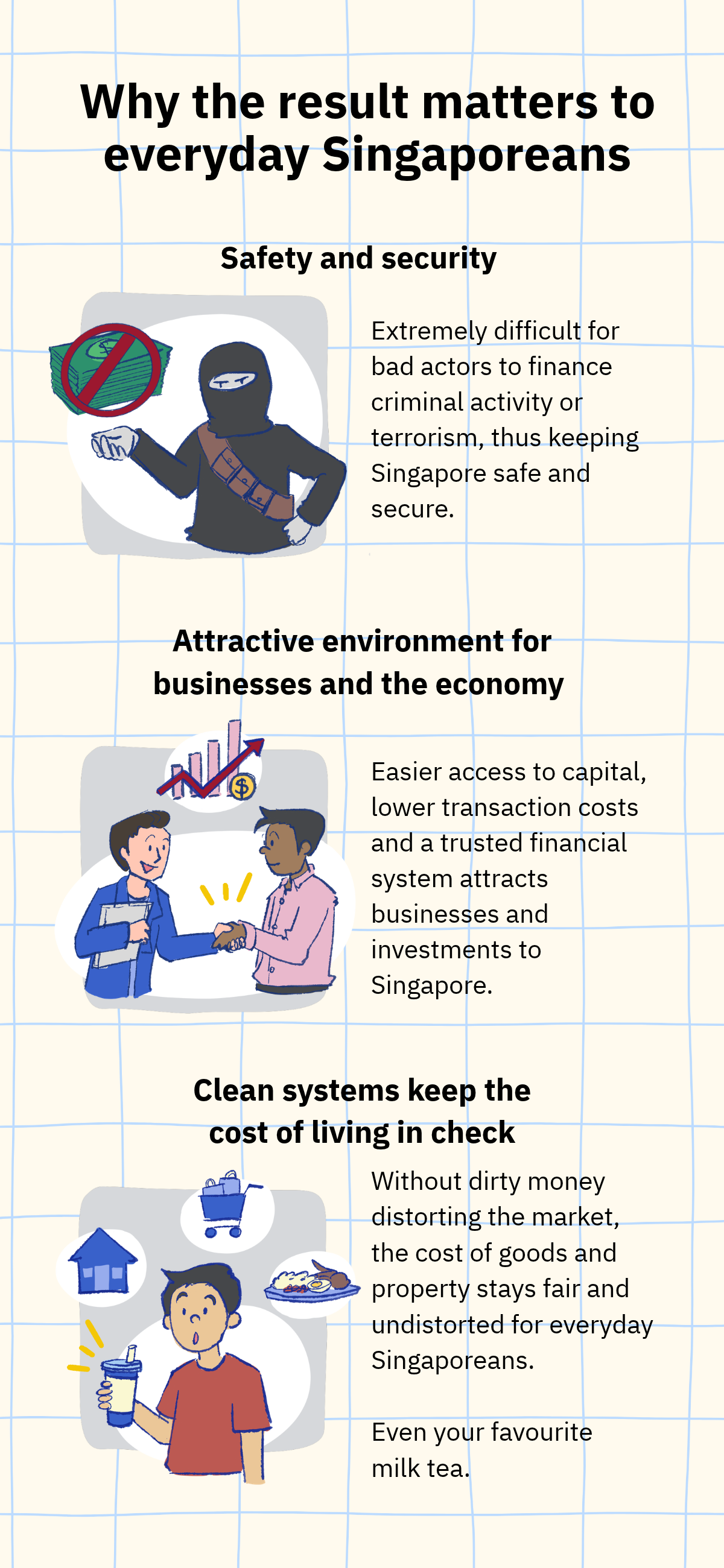
As Gregory puts it, trust is at the root of it all. “When there's more trust in your system, the ease of doing business goes up.” GRAPHIC: Tang Ying Hui
One Home Team, one goal
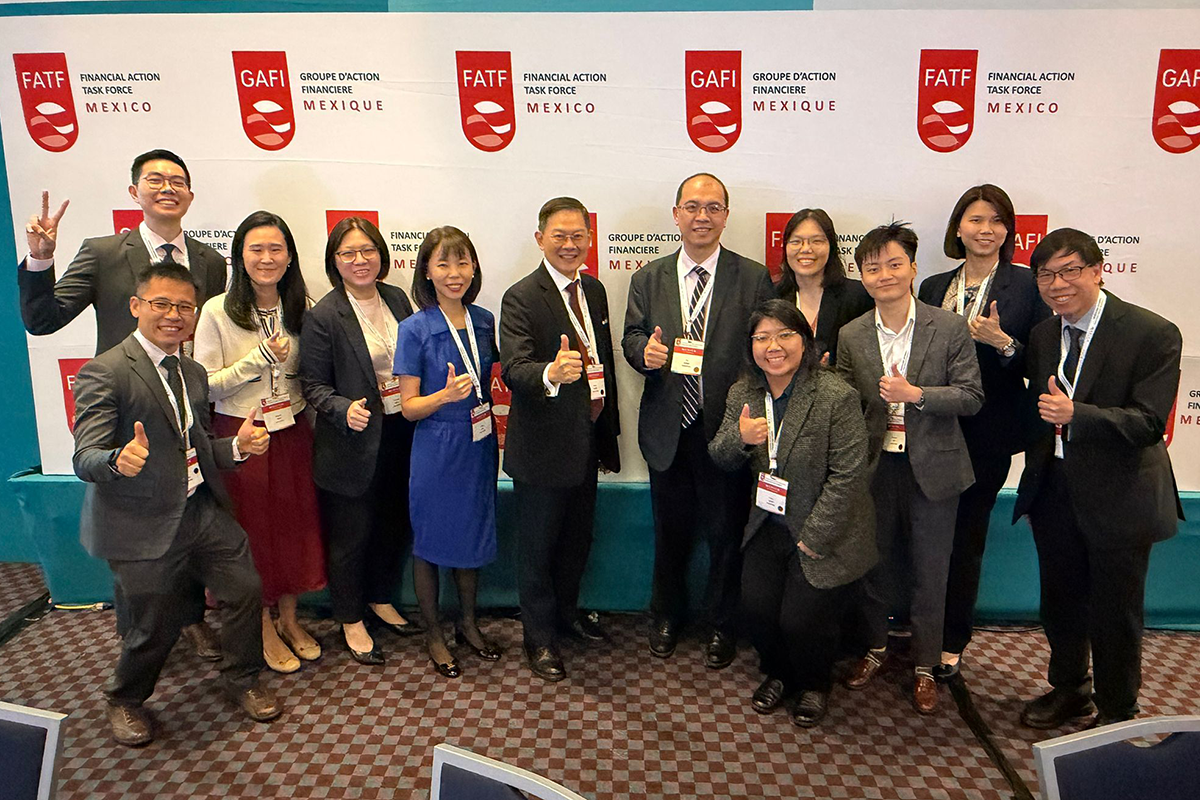
All smiles from the “students” after the conclusion of the mutual evaluation. PHOTO: Gregory Foo
Behind Singapore’s strong result was a team that made it all possible.
Gregory believes the strong teamwork was key to this favourable result. “The FATF body noticed how everyone in the room spoke with the same voice, despite coming from different government agencies.”
The mutual evaluation didn't reshape his belief in One Home Team. It reinforced it. Home Team Departments pulled late nights together, covered for one another when a team was short-handed, and produced voluminous documents alongside other agencies to make Singapore's case.
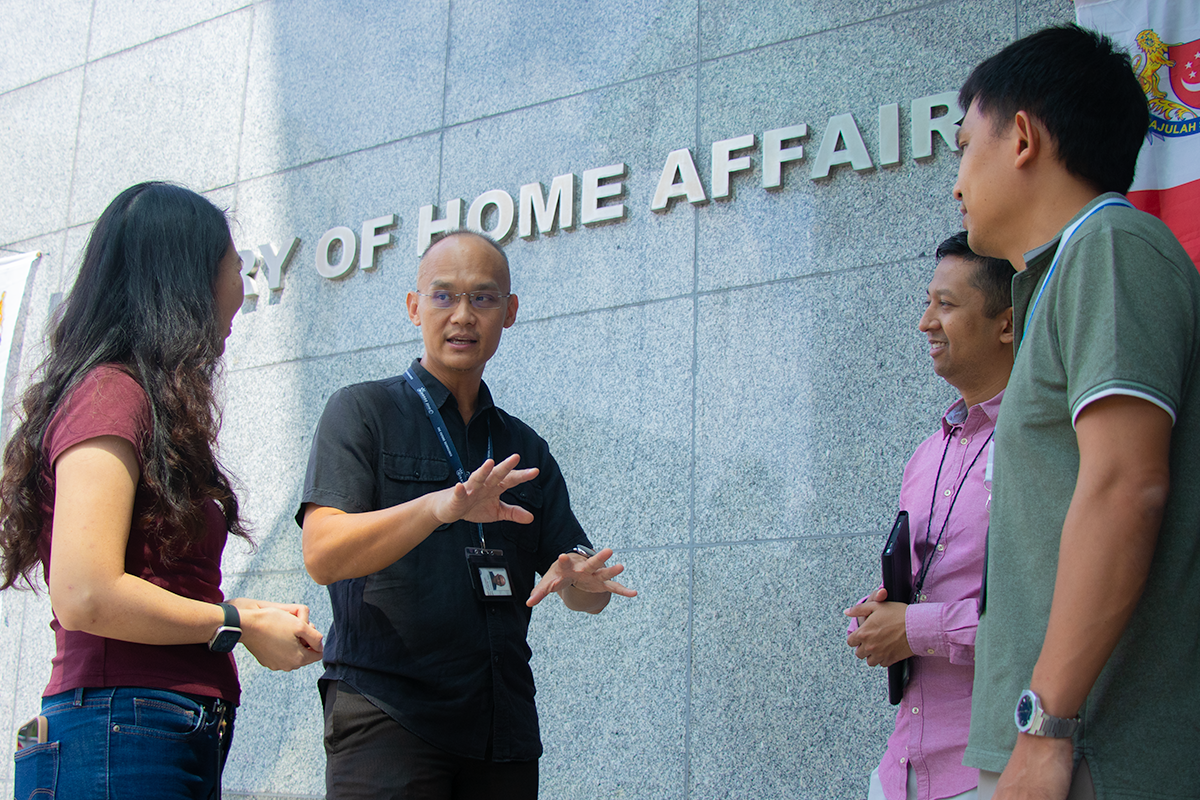
From investigating financial crimes to monitoring cash at the borders and casinos, the Home Team Departments brought their expertise to the mutual evaluation. PHOTO: Tang Ying Hui
The result is now history. But for Gregory, the more lasting takeaway goes beyond it. “The idea of One Home Team works. I was privileged to have had a front row seat to see it in action. And when the need demands for it, we will always rise to the occasion.”