
Meet Our Community
Nurturing officers through tech and heart
16 June 2026
Home Team
SCDF
SPS
Meet the trainers transforming how Home Team trainees learn. Their secret? Technology that enhances, but never replaces, the human touch.
Written by Tang Ying Hui
PHOTO and GRAPHIC: Tang Ying Hui
Training someone to save lives — or to manage a prison crisis — is not like teaching a classroom subject. The stakes are real, the scenarios are intense, and the margin for error is slim. So how are Home Team officers being prepared for unpredictable situations?
Assistant Superintendent of Prisons (ASP) Koh Hui Ting from the Singapore Prison Training Institute, Singapore Prison Service (opens in new tab) (SPS), and Captain (CPT) Muhammad Bukhary Bin Abu Bakar from the Civil Defence Academy, Singapore Civil Defence Force (opens in new tab) (SCDF), have their own answers to that question but share the same conviction: that the best training happens when technology and human connection work together.
Bringing urban search and rescue experience into the classroom
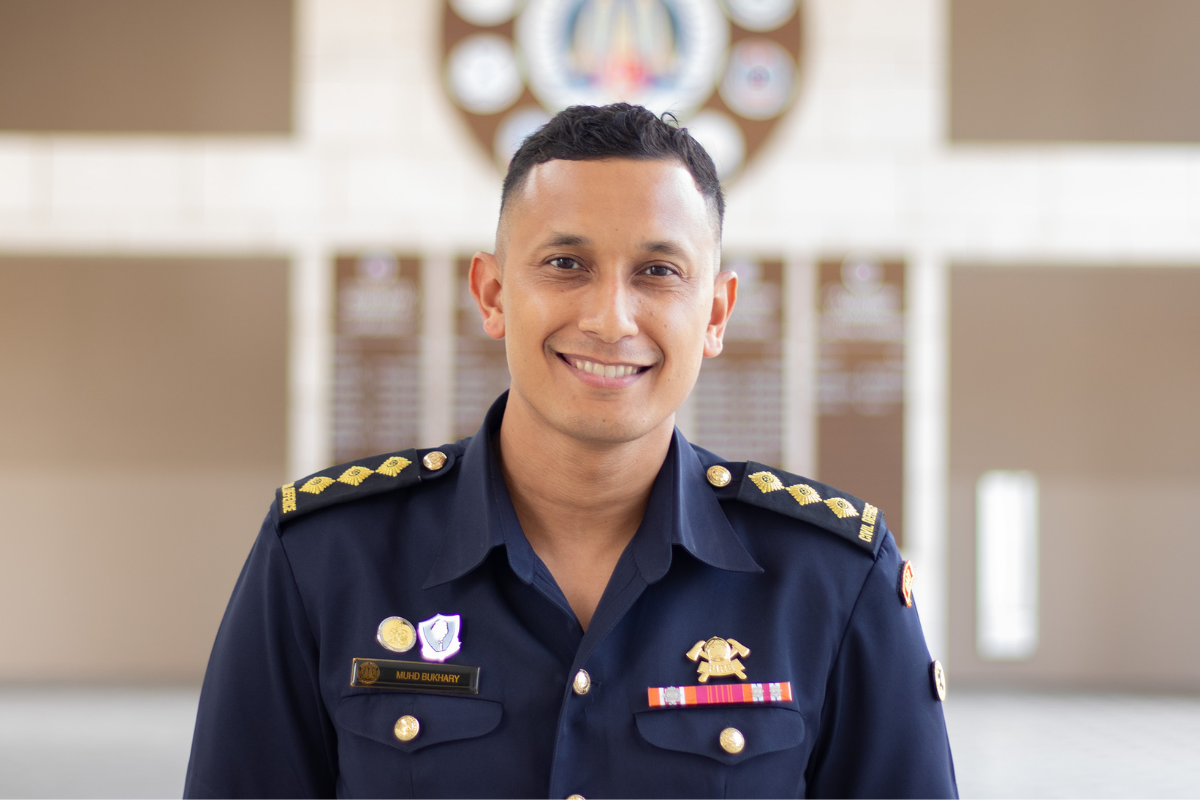
CPT Muhammad Bukhary Bin Abu Bakar is a course officer in SCDF’s Specialist Training Centre. PHOTO: Tang Ying Hui
For CPT Bukhary, three and a half years of developing and conducting specialised rescue training threw up a surprising challenge - not the curriculum, but the sourcing of customised tools and equipment for the highly specialised lessons conducted at SCDF’s Urban Search and Rescue Lab. Most of the tools needed are unavailable in Singapore, so CPT Bukhary worked with a fabricator to produce them. He admits with a smile, “Putting the design to work in real life was quite enjoyable.”
For his efforts in spearheading the lab’s development, CPT Bukhary was commended at the Home Team Training Excellence (TRaX) awards 2025. A former Disaster Assistance & Rescue Team member, he brought that frontline perspective with him when he joined the Civil Defence Academy.
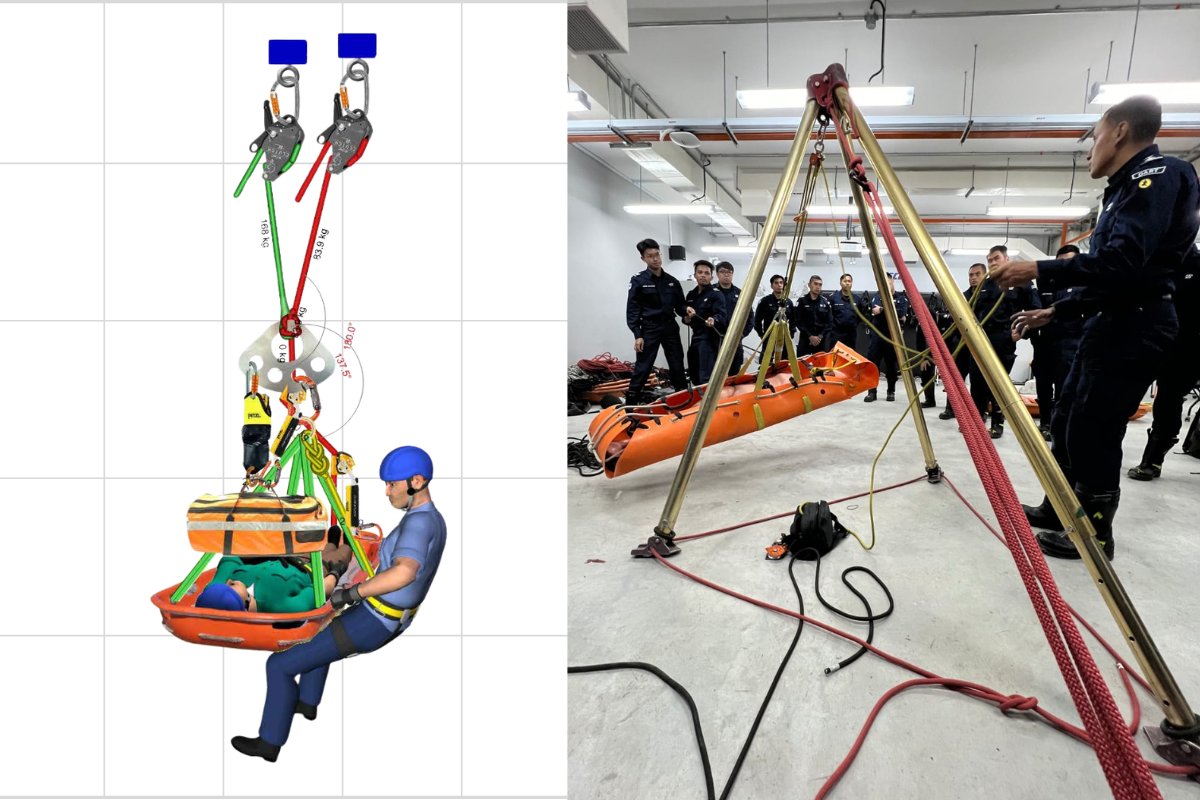
Trainees design and test height rescue systems on the Virtual Rigging Station (left) using Computer-Aided Design before moving on to constructing them in a controlled indoor environment (right). PHOTO: SCDF
“The challenge was in bridging the fine line between the theory and the physical execution. Most of the trainees are very hands on and prefer practical lessons,” he shares. CPT Bukhary designed a curriculum to build operational confidence in trainees through different training phases. One key innovation was the Virtual Rigging Station, where trainees apply what they have learnt in a virtual environment and validate their understanding of the concepts without physical risk.
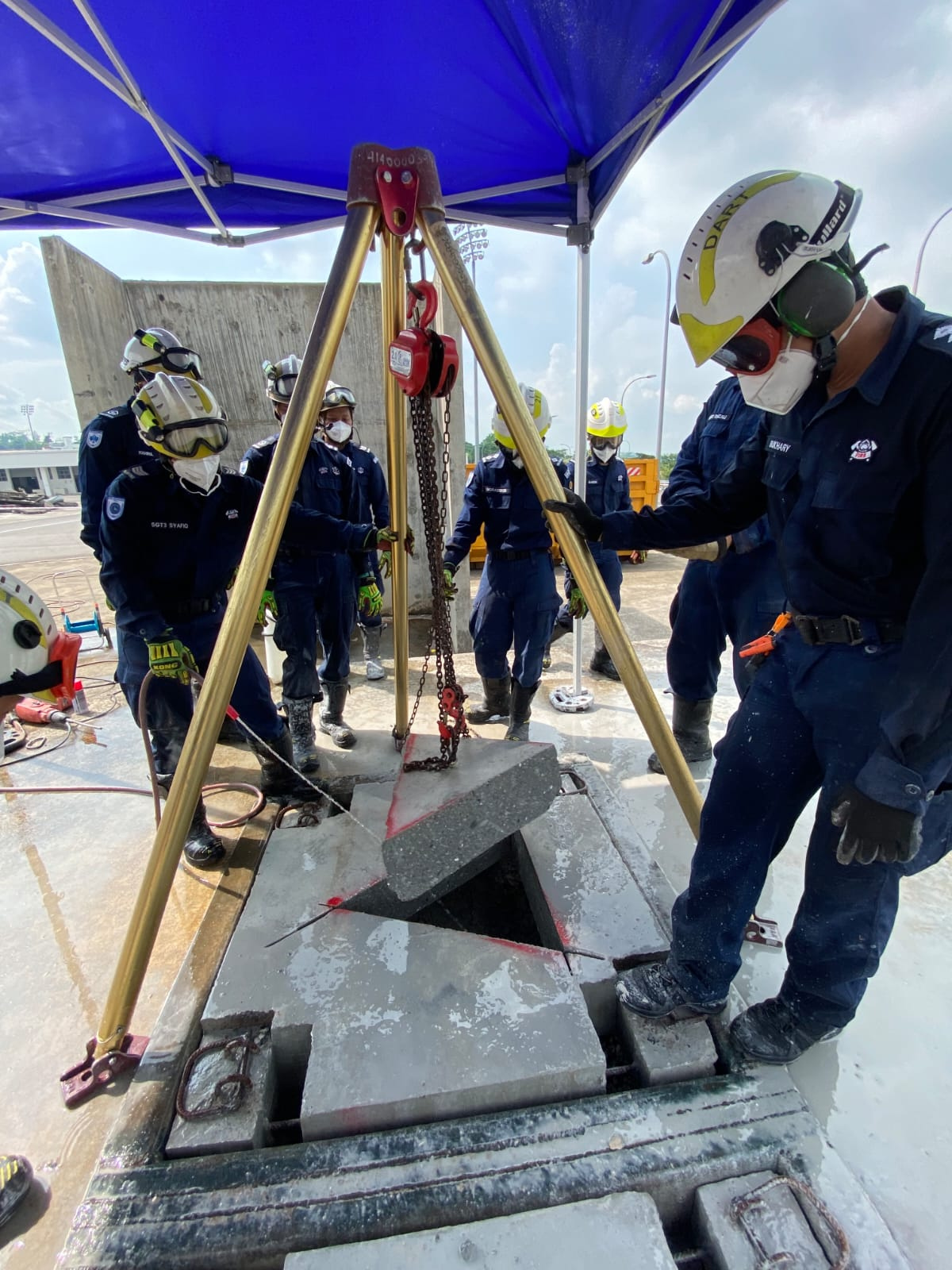
CPT Bukhary (right) guides trainees on executing a ‘clean cut’ for casualties trapped beneath a concrete slab during a structural breaching lesson. The seamless transition from virtual learning to controlled practice and real-world execution builds technical skills and operational confidence. PHOTO: SCDF
“Seeing my trainees apply their learning and critique their own work feels fulfilling,” says CPT Bukhary. Looking ahead, CPT Bukhary envisions smarter training methods for future training. “Integrating technologies can help to map the trainees’ learnings during the practice scenarios. This helps us to elevate the training we can provide.”
Coaching from the heart
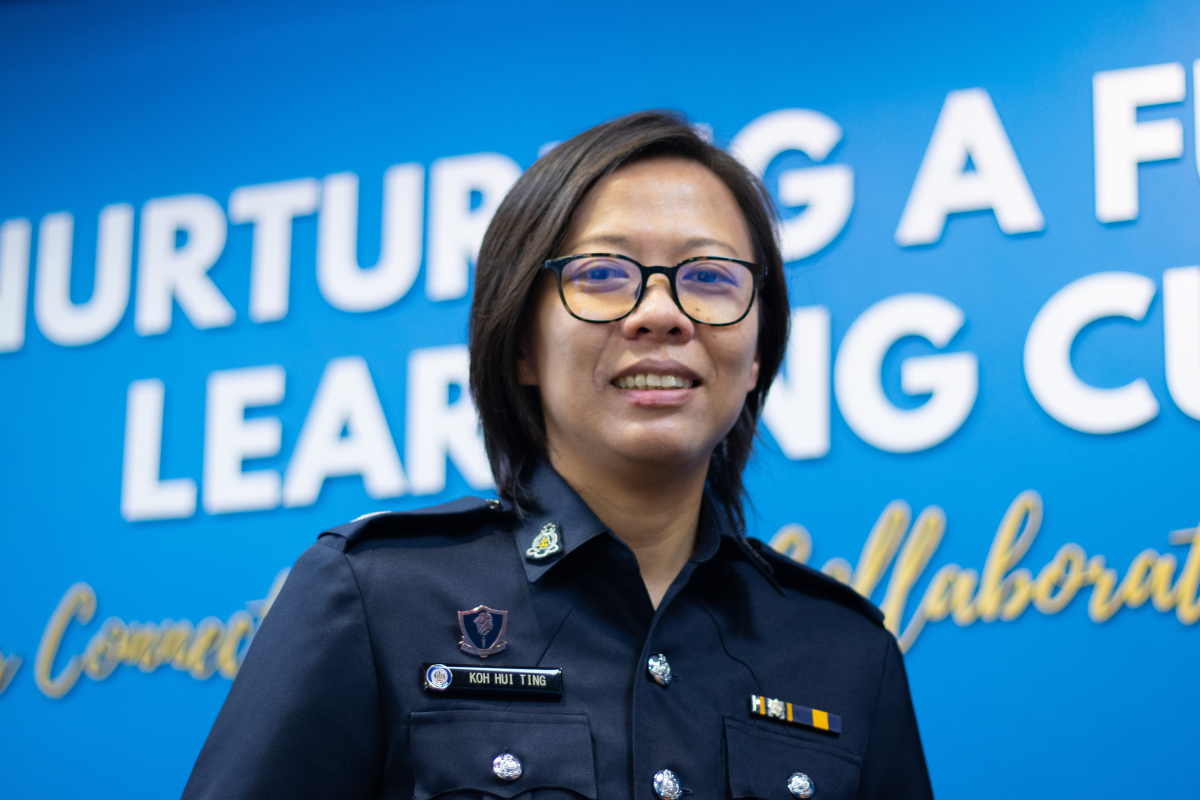
ASP Koh Hui Ting is a senior trainer in SPS. PHOTO: Tang Ying Hui
When ASP Hui Ting’s mentor first approached her about becoming a coach, she was not ready to commit. But when she later sought his advice on helping a trainee, he asked again - and the rest is history. 'It's my commandant, Mr Jimmy - make sure you mention him in the article,' she laughed, crediting the man who started her coaching journey.
A TRaX award recipient last year, ASP Hui Ting has made SPS’s coach-like approach the backbone in her training. SPS introduced this coaching culture in 2001, and it has since run through the organisation, enabling SPS officers at all levels to learn and develop their capabilities.
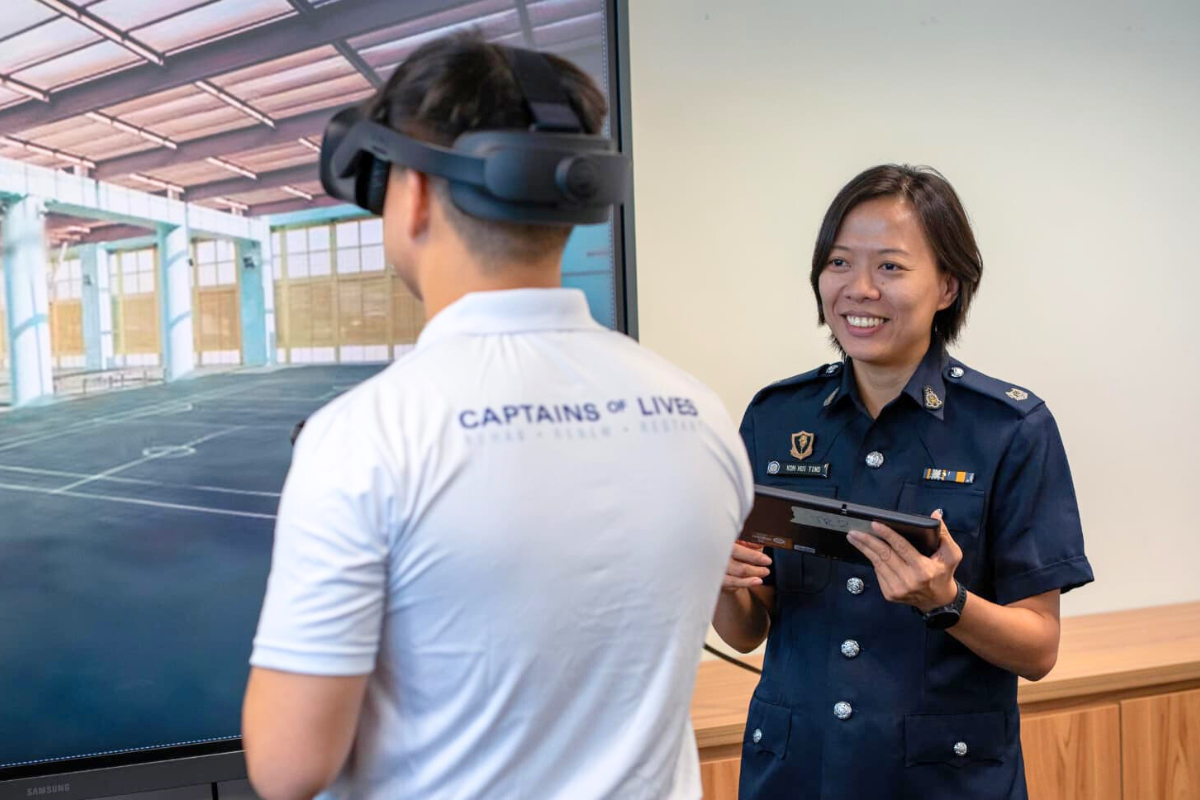
Trainees respond to a Virtual Reality-simulated prison contingency scenario during training, with ASP Hui Ting providing guidance at the side. PHOTO: SPS
That culture shapes how ASP Hui Ting approaches her work as a senior trainer. A specialist trainer and certified professional coach, she has always been intrigued about people development and enjoys connecting with people. “The biggest challenge was reading the room. It is important to know how the trainees are feeling that day.” Termed as the global listening skill, it allows ASP Hui Ting to ‘listen’ to what’s not said in the room.
That skill came in handy when she noticed a female trainee struggling during tactical training. “She didn’t complain or feedback about it. After the training, I asked if she was okay, as I sensed a different energy from her. That’s when the trainee let her raw emotions out.”
The incident left a lasting impression on the trainee, turning into a learning moment for her to be more supportive towards her fellow cohort mates. “Even though it was a very vulnerable moment for the trainee, she shared that she felt safe to share it with me and appreciated that,” ASP Hui Ting recounted.
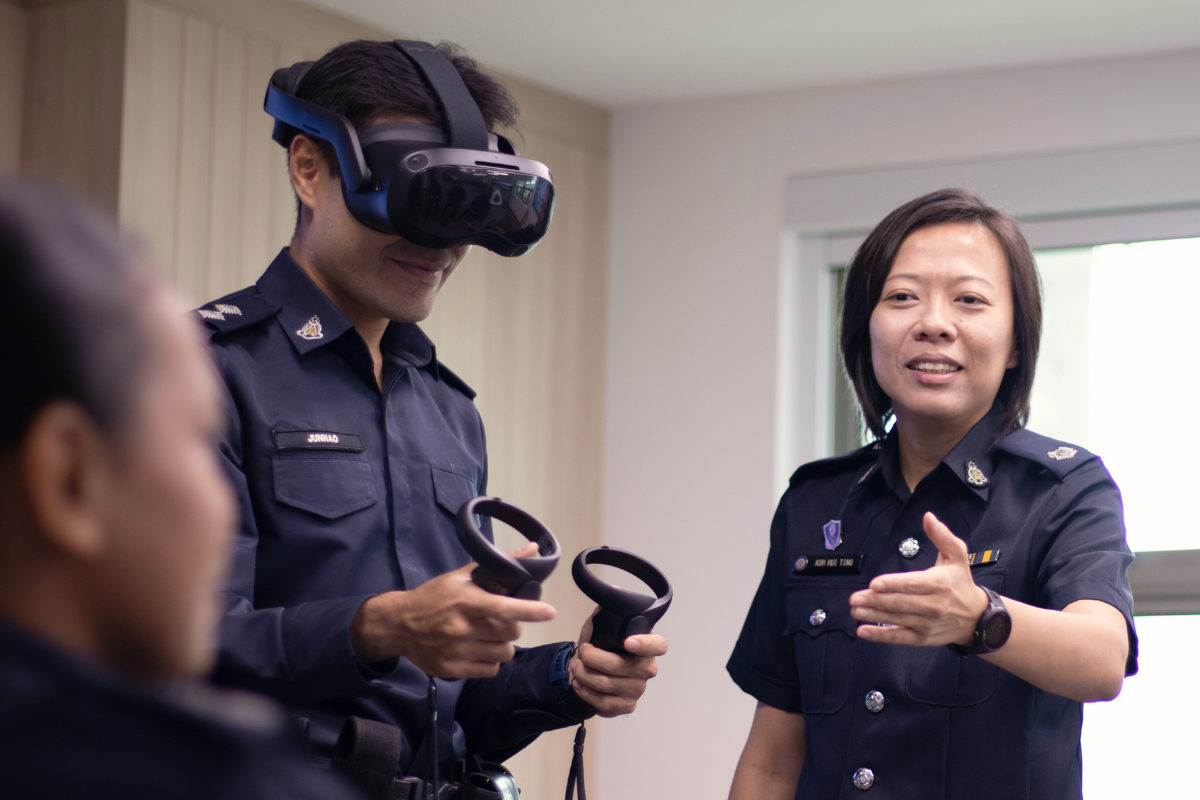
Believing in the need to address the ‘why’ when coaching trainees, ASP Hui Ting uses ‘teachable’ moments to make sure both parties are aligned. PHOTO: Tang Ying Hui
Asked what excites her most about the future of training, ASP Hui Ting smiles without hesitation. "The people. The training content won't change much, but my people-approach and connection with learners will. If technology can deepen the learning experience for trainees and myself, that really excites me.”