
Meet Our Community
Reflections from the Home Team (Part 3): The Pioneer Captain and The Narcotics Hunter
Home Team
CNB
SPS
20 February 2026
In the final part of this series, two officers recount how they protected a fledgling nation by tackling the drug problem and ensuring the secure custody of inmates.

PHOTO & GRAPHIC: Melody Ho and Tang Ying Hui
Relentless Pursuit in the Fight Against Drugs
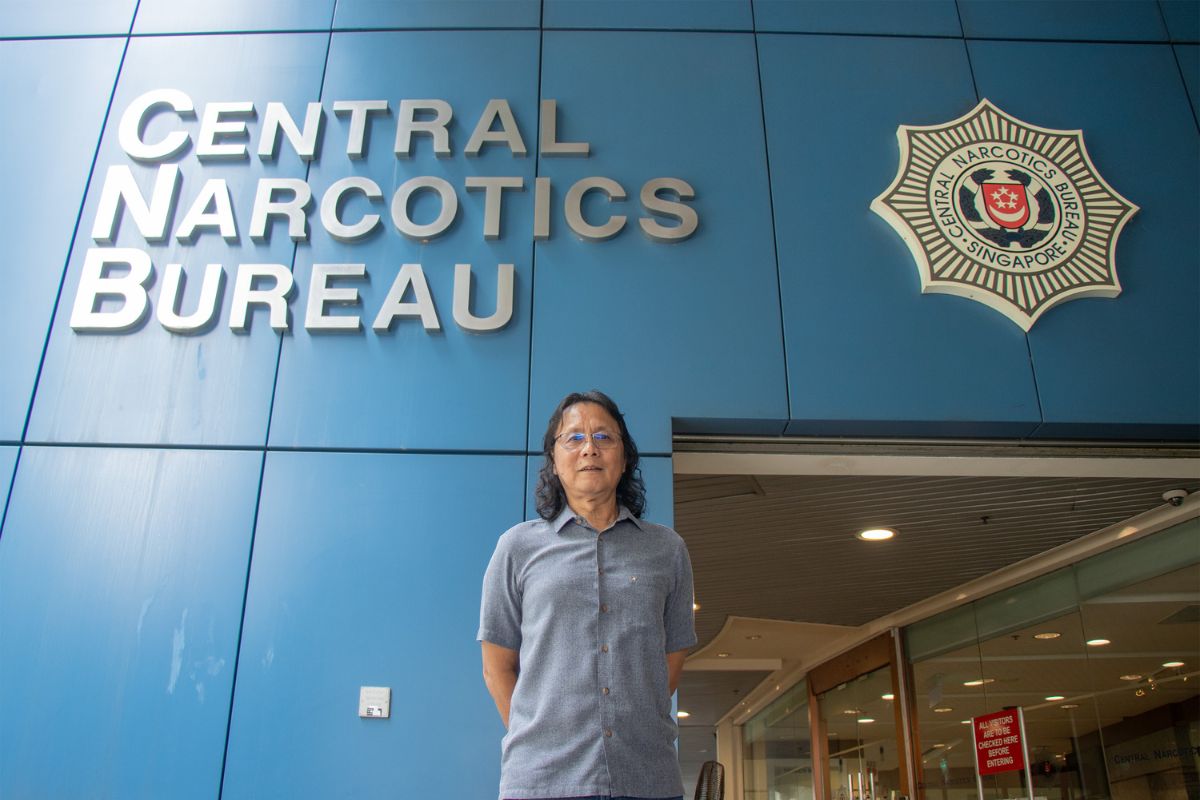
Deputy Superintendent (DSP) Geoffrey Soh (Ret.). PHOTO: Tang Ying Hui
A pager number was DSP (Ret.) Geoffrey Soh’s only lead to a heroin trafficker. "No nickname, no details of his whereabouts. From there, it's the old way, the leg-work!" he shares about one of his most memorable cases while working in the Central Narcotics Bureau (CNB).
Despite contacting multiple agencies for leads, DSP (Ret.) Soh only found the trafficker’s picture but could not locate him. "We were at a loss, so I decided to page him and left our office number." When the suspect called back, DSP (Ret.) Soh’s team traced his whereabouts.
In the lead-up to Chinese New Year, the team conducted 10 days of surveillance before finally arresting the trafficker, his supplier and a customer in one fell swoop.
Perseverance is essential for stakeouts, but stakeouts became more challenging over time. “After many years, drug abusers can recognise our vehicles and start to run off. I would give chase,” said DSP (Ret.) Soh.
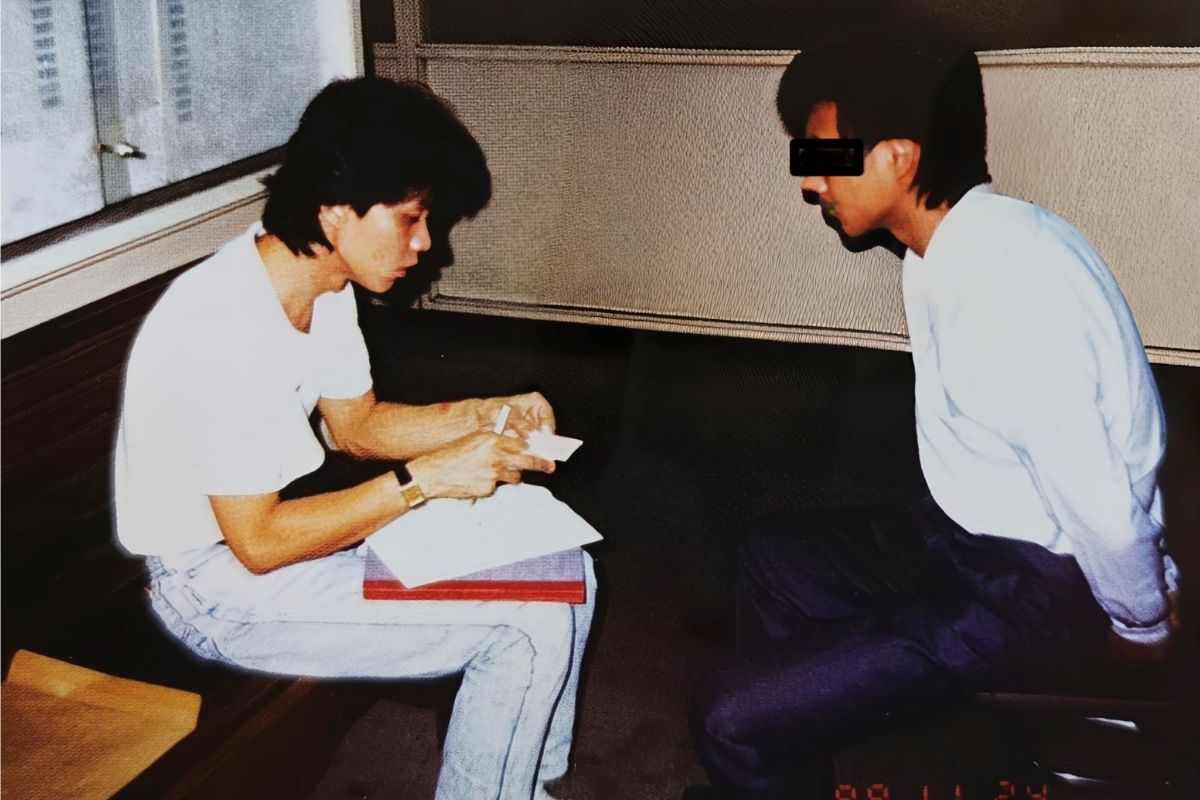
Seeing his schoolmates and a National Service mate fall victim to drugs pushed DSP (Ret.) Soh (left) to pursue a career with CNB. Here, DSP (Ret.) Soh is interviewing an arrested person during a CNB operation. PHOTO: CNB
Q: What challenges did you face as a CNB officer in the 1970s-80s?
DSP (Ret.) Soh: When the Bureau was formed in 1971, there were few officers and resources.
There was no technology to help us. We dealt with physical records and files; everything was done manually. For example, to perform a criminal record screening, we had to drive to the Criminal Record Office (CRO) at Robinson Road. If a CRO clerk was available, she would write a copy of the records onto a screening form for the requesting officer. If the clerks were unavailable, the requesting officer wrote the records himself before handing the form to the CRO staff for certification.
There were no courses to upgrade your skills. It was on-the-job training and observing how senior officers performed their duties.
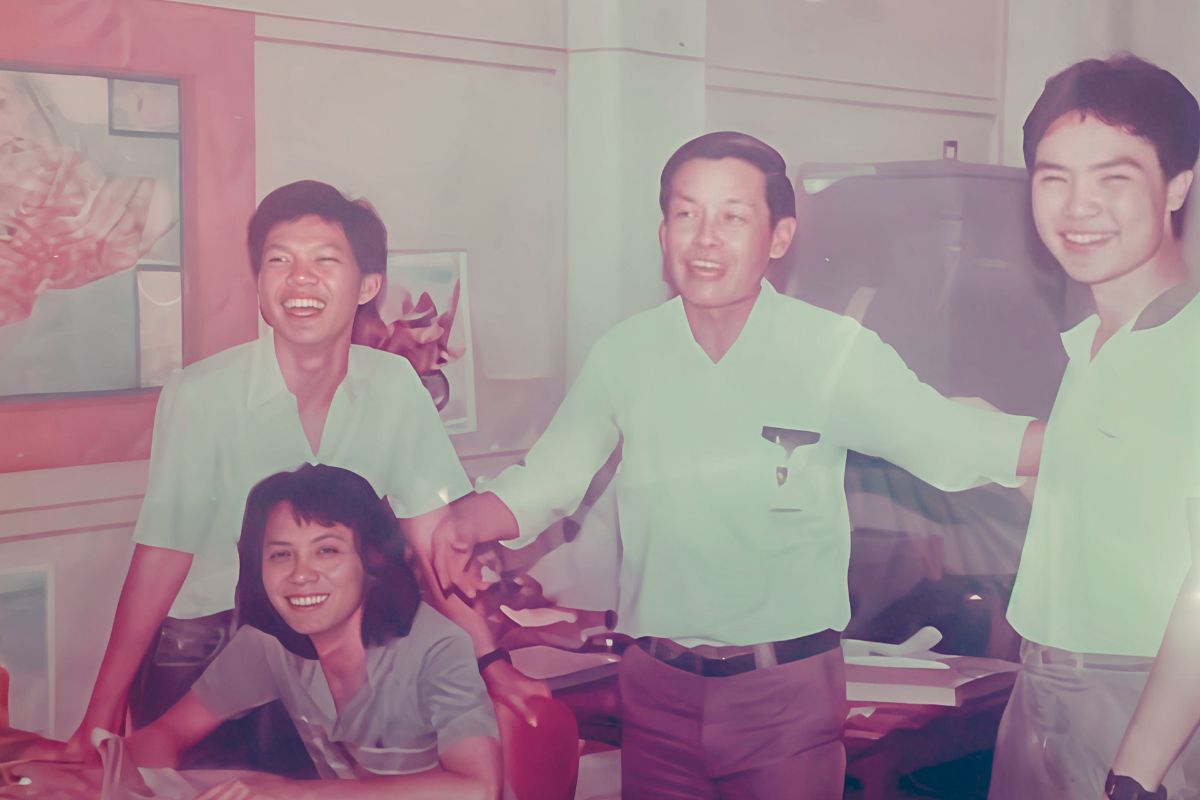
CNB officers like DSP (Ret.) Soh (seated) developed what he calls 'the feeling' - an ability to determine if suspects were involved with drugs based on their behaviour and movements. PHOTO: CNB
Q: What lasting impact did major operations such as Operation Ferret have on Singapore's drug situation, and how has CNB's approach evolved since those days?
DSP (Ret.) Soh: Operation Ferret made a clear difference. Drug abusers no longer congregated and abused drugs openly in public areas. Before such operations, I would see abusers “chasing the dragon1” at the staircase landing of my parents’ flat.
In CNB’s early days, we focused on ground enforcement to round up drug abusers and drug pushers. But even after we cut the supply, demand remained. Now, CNB takes a two-pronged approach of supply- and demand-reduction, through drug prevention and public awareness programmes and intensive intelligence-led enforcement.
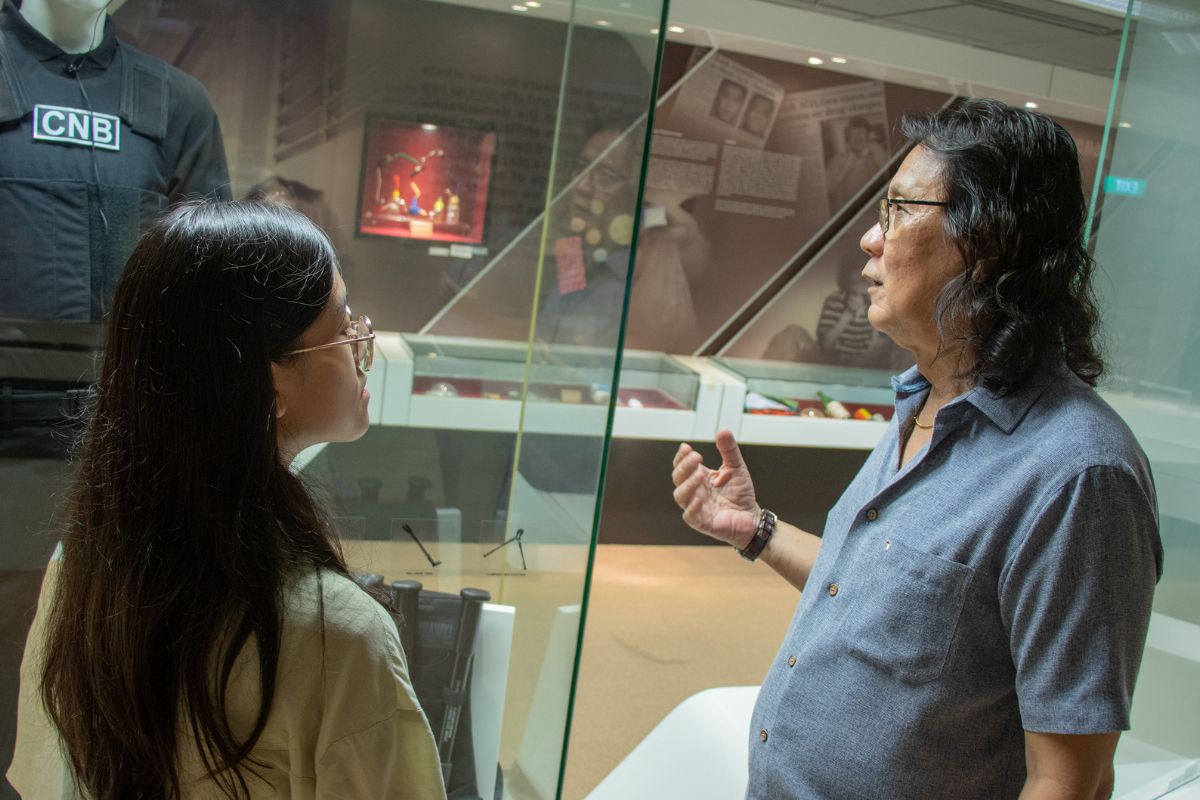
DSP (Ret) Soh (right) shared that perseverance and alertness are key when conducting drug enforcement activities. PHOTO: Tang Ying Hui
Q: What do you hope current and future Home Team officers will remember when keeping Singapore safe from drug harms?
DSP (Ret.) Soh: Do not forget the valiant efforts of their predecessors, which contributed to the current stable situation, where the community is safe and secure. There will always be challenges. CNB must continue to excel and constantly look for better ways to carry out its mission.
Once a Captain, Always a Captain
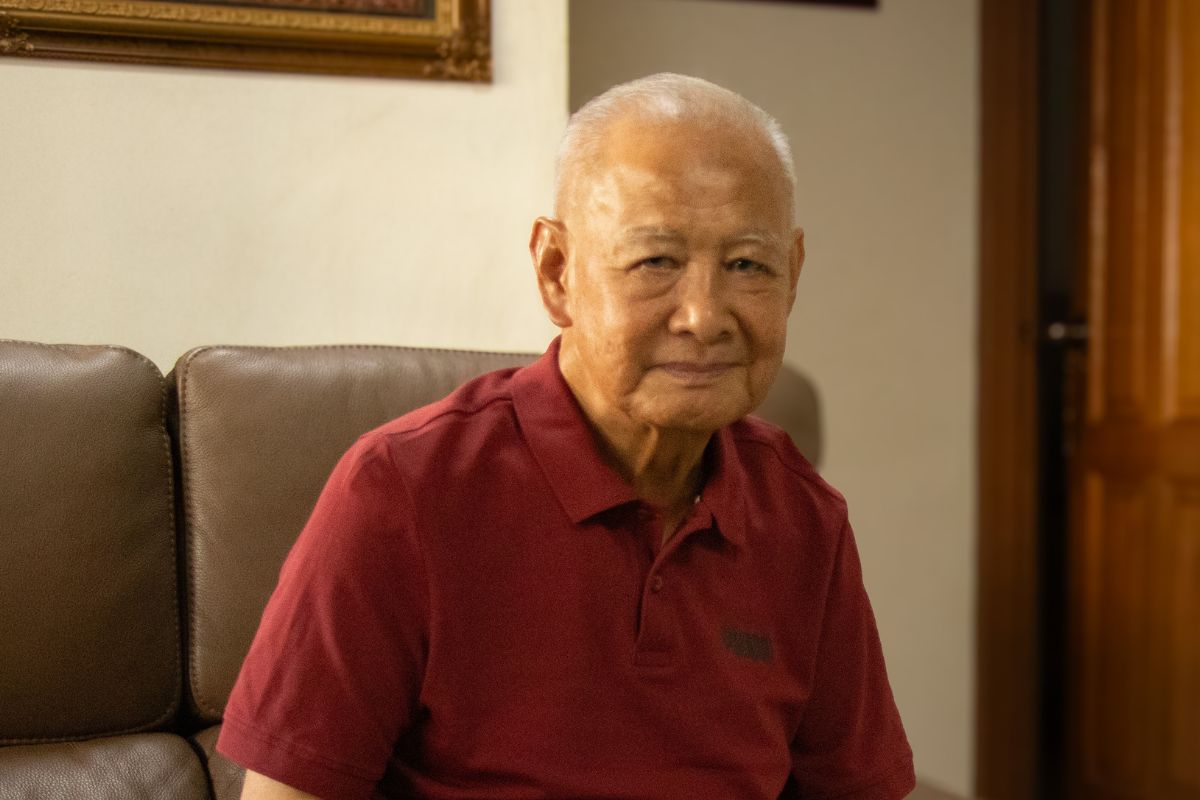
Assistant Superintendent of Prisons (ASP) Elendrus Osman (Retired). PHOTO: Melody Ho
Assistant Superintendent of Prisons (ASP) Elendrus Osman (Retired) regarded every inmate as a fellow citizen in need of guidance and took on the role of a mentor-father to them. “Inmates would share with me when they broke one of the prison rules. I would tell them that it’s not the end of the world - admit your mistake and you will be given another chance,” he recalled.
This approach reflected his core belief that even a single successful rehabilitation is worth the effort - a philosophy that guided his entire career with the Singapore Prison Service (SPS) from 1970 to 2003.
ASP (Ret.) Osman is one of the pioneers who set up Selarang Park Drug Rehabilitation Centre (DRC), when CNB was in the midst of its anti-heroin campaign in the late 1970s, codenamed Operation Ferret. He and his fellow officers overcame great challenges to establish the DRC.
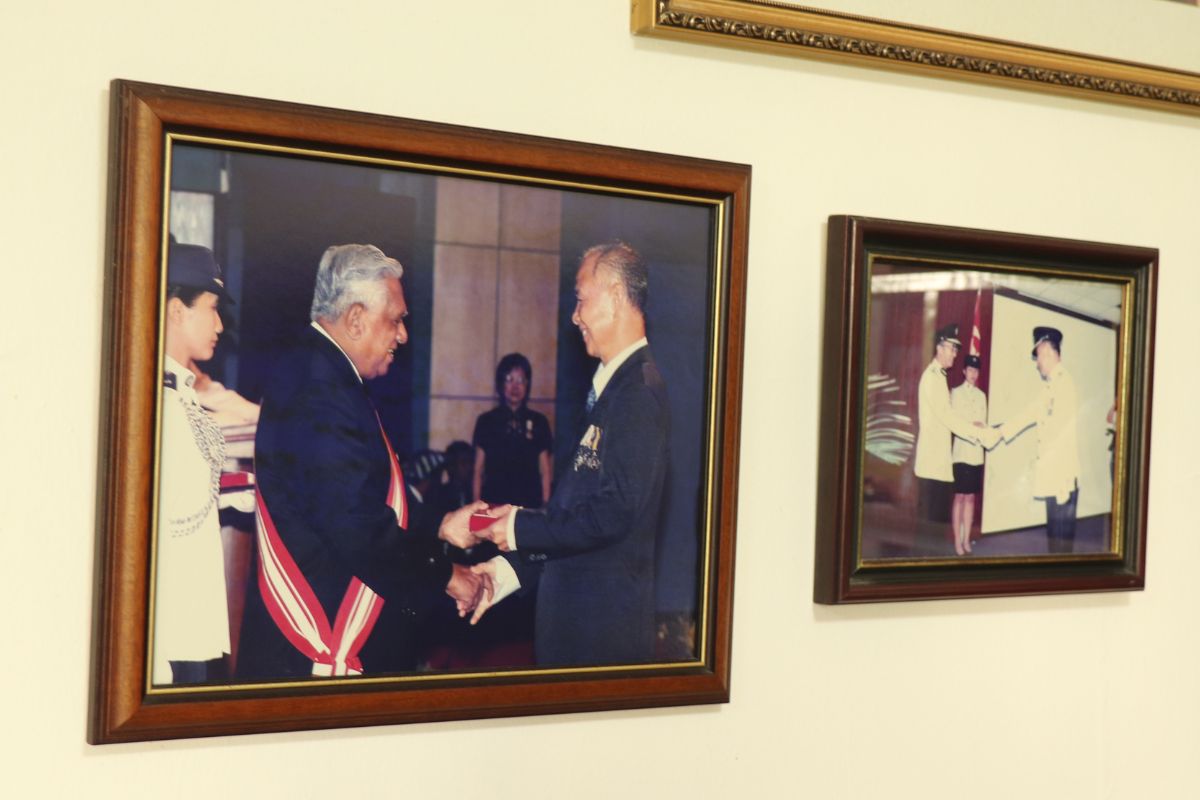
ASP (Ret.) Osman (third from left) received numerous awards for his service and contributions to SPS over three decades. PHOTO: Melody Ho
Q: What was your experience like during the early years of setting up Selarang Park DRC?
ASP (Ret.) Osman: I was one of four officers sent to Telok Paku DRC to learn what was required to run the DRC programme. All of us were green. Aside from us, only a superintendent and a few other officers managed Selarang Park DRC.
On the first day of Selarang Park DRC’s operation, there was nothing - no kitchen, nothing. On the second day, we received 500 persons who were arrested during CNB’s Operation Ferret. With inmates arriving by the hundreds, we had to get help. The Vigilante Corps from the Geylang Police were sent to help man the posts around the complex. We also had to improvise everything - from finding boilers to prepare breakfast to coordinating food deliveries from Changi Prison. The staff were always supportive, and we tackled the obstacles together until every problem was resolved.
Four years later, I left Selarang Park DRC. I felt that we have accomplished what we set out to do. The officers who came in later could follow our example.
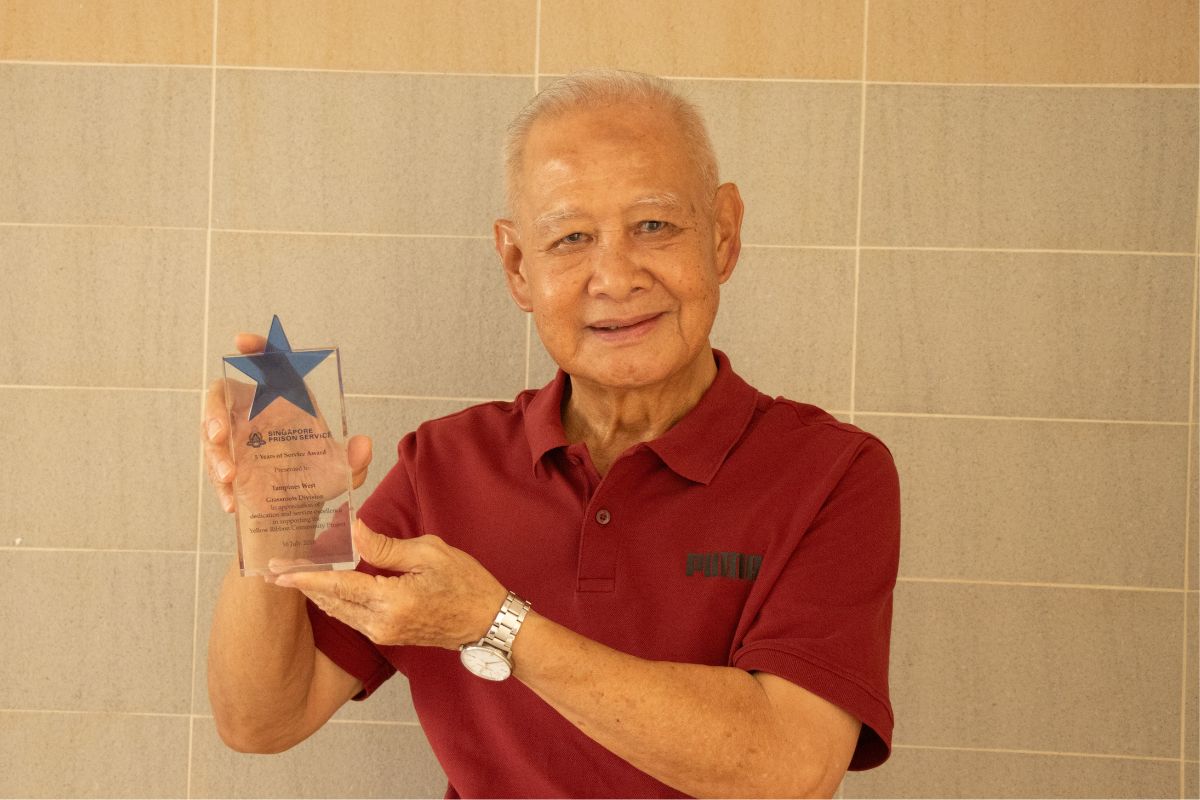
After retiring, ASP (Ret.) Osman assisted offenders' families by connecting them to the relevant agencies for financial assistance, home care, and other support. For his contributions toward the Yellow Ribbon Community Project, he received an award in 2016. PHOTO: Melody Ho
Q: You continued serving the community after retiring from SPS, by helping inmates, ex-offenders and their families. Why?
ASP (Ret.) Osman: I was already doing community service while working in SPS. I enjoyed helping in grassroots work, reaching out to residents. It made me feel that I have done something worthwhile.
After I retired, then-Minister of State for Home Affairs Mr Masagos Zulkifli approached me as he knew I’m an ex-prison officer. He asked me to lead the Yellow Ribbon Community Outreach Project at Tampines GRC, to support families impacted by incarceration. We refer these families to various agencies for the different types of assistance needed. That way, the inmates can focus on rehabilitation without worrying about their family. Even after the inmate is released, the family can contact us if they need help.
My background in SPS was an asset. I could easily guide fellow volunteers in ensuring that their reports on each family contain the information required by SPS and other agencies.
Q: What are your hopes for the future of rehabilitation and reintegration in Singapore?
ASP (Ret.) Osman: I wish to see less people incarcerated. We don't want repeat offenders. SPS always thinks about what more can we do to help inmates. We have many volunteers and partners outside SPS to help inmates and their families. The community should not shy away from offenders, and vice versa. If they look for us, let us help them.
1 A method of heroin inhalation in which the drug is placed on aluminum foil and heated, producing a thick smoke that resembles a dragon's tail.
Read the first article of the series, Reflections from the Home Team (Part 1) : The Future Firefighter and The Tech Amplifier.
Read the second article of the series, Reflections from the Home Team (Part 2) : The Border Veteran and The Community Builder.