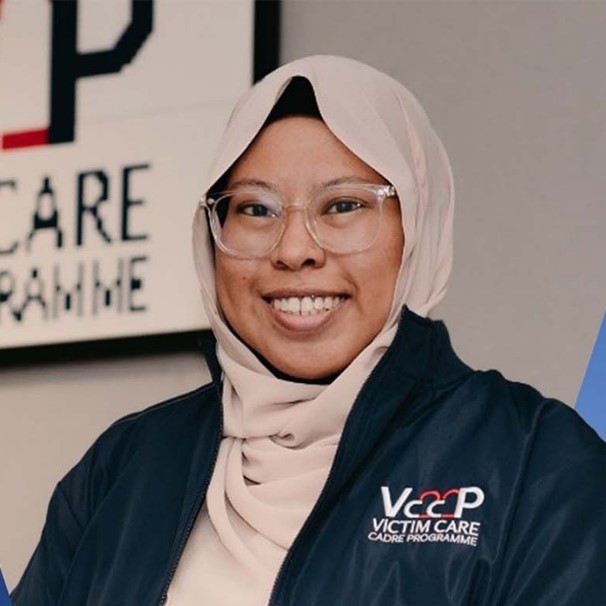
Victim Care Cadre Programme (VCCP)
Provide psychological first aid and crisis intervention for individuals affected by crimes. Partner with the Police to strengthen psychological care and support for victims.
Last updated 11 March 2026

Requirements
Commitment
At least 2 activations in 2 years
Age
21-80 years old
What is the Role of VCCP Volunteers?
Victim Care Officers (VCOs) are community volunteers who work alongside the Singapore Police Force to support victims of crime, including victims of sexual crimes, scams and other offences of crime throughout the investigation process. VCOs will be trained to provide a listening ear and to look out for these victims, who may be struggling to cope in the aftermath of the trauma.
As a VCO, you will provide psychological first aid and crisis intervention to victims and advise them on how to cope with trauma. You may also support those going through court proceedings.
What Training Will You Receive?
The Victim Care Cadre Programme requires volunteers with professional backgrounds in psychology, social work, counselling or related fields. This ensures volunteers bring foundational expertise to trauma-related work.
The recruitment process includes a three-day, in-person training and selection course. This programme covers psychological first aid and crisis intervention skills. Role-play assessments are used to select applicants for real-world activations.
Rigorous training will be provided to ensure high standards of victim care.
Why Join VCCP?
As a VCCP volunteer, you will:
Make a direct and meaningful impact
Provide emotional support to victims of crime during a difficult period of their lives, helping them navigate the criminal justice process with dignity and care.
Develop valuable skills
Receive comprehensive training in trauma-informed care, crisis intervention, and psychological first aid that can be applied both in your volunteer work and beyond.
Be part of a supportive volunteer network
Work alongside liked-minded volunteers and professionals committed to victim support.
How Do You Sign Up?
To sign up as an VCCP volunteer, visit the https://go.gov.sg/applytovccp and apply.
FAQs
What kinds of victims do VCOs support?
VCOs support victims of all crime types and of all ages and demographics, including victims of sexual crimes, scams, and other offences.
What is the minimum commitment period for VCOs?
VCOs are appointed for a minimum period of two years after completing the training and selection process.
What does the Training and Selection Course include?
The three-day course is held in-person. It includes training in psychological first aid, crisis intervention skills and role-play assessments for selection of VCOs.
Do VCOs respond to activations alone?
No, VCOs always respond in pairs to ensure mutual support and effective victim care.
What kind of support does the programme provide for VCOs who respond to tough cases?
The team of staff running the programme, including volunteer managers and psychologists, are readily available to provide guidance and support to VCOs when dealing with challenging cases.
I’ve been a VCO since 2014 and am glad that I have participated actively with VCCP. My journey has been fulfilling, and I’ve learned a lot from the strength, resilience and bravery of the victims themselves.— Nur Aisyah Abdul Rahman

It’s been an amazing journey! I’ve learned so much from those I’ve met – victims who inspire me with their resilience and determination to heal, and fellow VCOs who bring with them unique skills and knowledge from their diverse experiences.— Pollack Robert Brian

It can be a distressing situation for the victims, and the VCOs provide an emotional anchor. Hearing how even a brief, one or two-hour session can potentially make a difference to the victims really moved me. That’s what drew me in. I want to be someone who could help people feel seen and supported in moments of crisis.— Liu Yanru
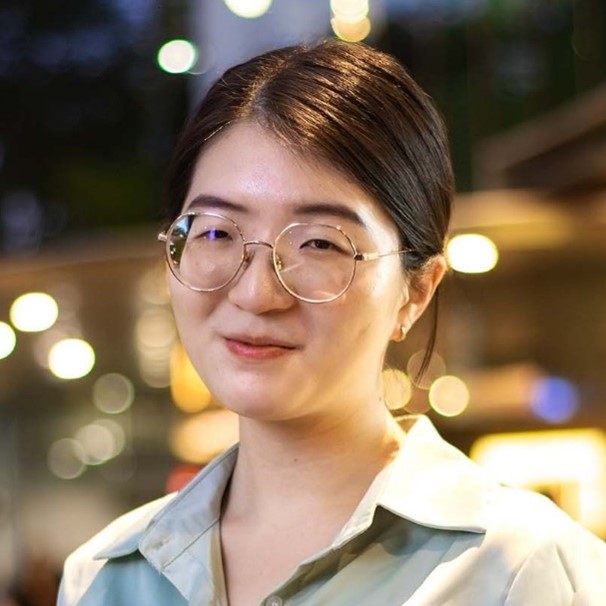
Before joining the VCCP, I didn’t know this kind of support for victims existed within the SPF. As VCOs, we help victims recover from the harm of crime, while also enabling them to support officers in their investigations. It was exactly the kind of work I wanted to do – to be there for people in their moment of need.— Sharina Binte Sharuddin